High-performance structures optimized for local electronics, defence, food processing, and research hubs across the ACT.
The Australian Capital Territory (ACT), with Canberra at its core, represents a unique business ecosystem in Oceania. Historically regarded as a administrative and public service hub, the region has evolved. Today, Canberra is home to a highly advanced high-tech corridor, encompassing aerospace systems, cutting-edge defence contractors (supporting the Australian Defence Force), biotechnology labs, scientific research institutions (such as ANU and CSIRO), and precision component manufacturers. These sectors do not just require standard cardboard boxes; they demand high-barrier protection, extreme cleanliness, and advanced electrostatic discharge (ESD) prevention.
As standard consumer grade packaging fails under extreme temperatures, static fluctuations, and cross-border maritime shipping environments, the requirement for specialist global suppliers of industrial-grade barrier films and multi-layered foil packaging has scaled dramatically. Canberra's local distribution networks require direct, reliable pipelines to high-capacity manufacturing facilities that can customize properties such as moisture vapor transmission rates (MVTR), thickness, transparency, and mechanical tensile strength.
On a macro global scale, packaging technology is undergoing a paradigm shift towards highly functional multi-layered lamination. Simple polymer extrusions are being replaced by composite structures incorporating high-performance materials like oriented polyamide (OPA), polyethylene terephthalate (PET), aluminum foil (AL), and linear low-density polyethylene (LLDPE). This allows packaging to maintain high barrier characteristics while optimizing thickness and carbon footprint.
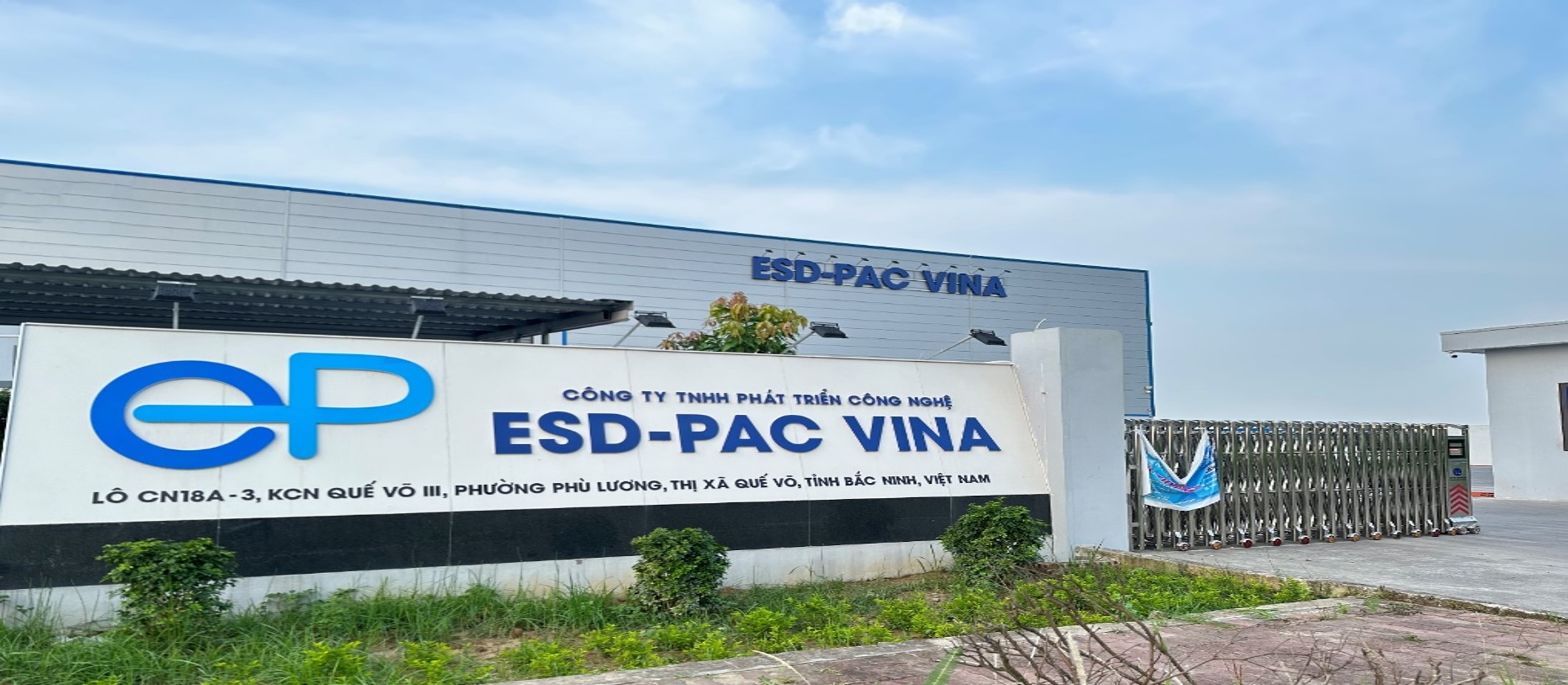
Our manufacturing base, located in the Quy Vu Industrial Park of Bac Ninh Province, Vietnam, serves as a vital arterial hub. Vietnam has emerged as a premier manufacturing destination due to advanced technical training, state-of-the-art machinery, and highly competitive cost structures under free trade agreements like the ASEAN-Australia-New Zealand Free Trade Area (AANZFTA). By controlling the process from extrusion and lamination to bag converting and testing, we eliminate intermediary markups, offering direct factory pricing directly to the Canberra and wider Australian market.
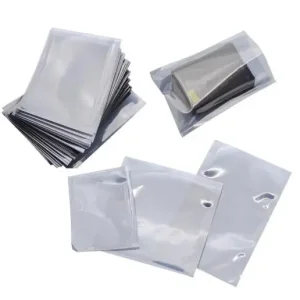
Electronic components, printed circuit boards (PCBs), and precision optic sensors are highly vulnerable to static electricity. An uncontrolled electrostatic event as low as 100V can permanently degrade microprocessors. To counter this, static shielding bags utilize a multi-layered construction:
This layout ensures that high-value assemblies remain functional throughout transport from international hubs right to Canberra's technology precincts.
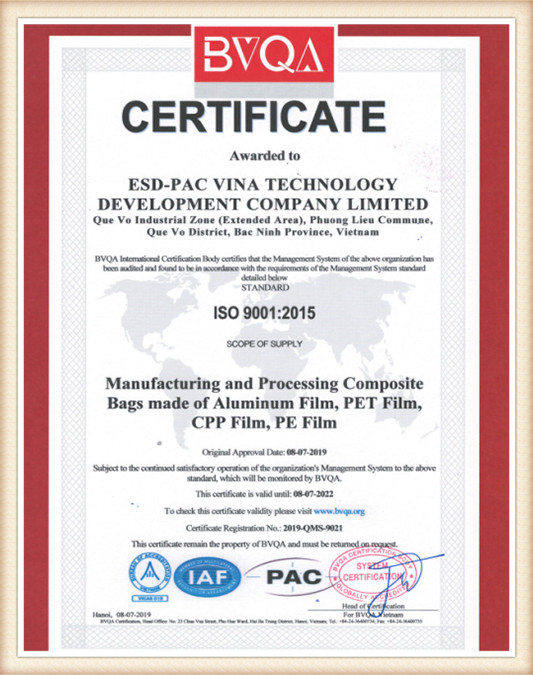
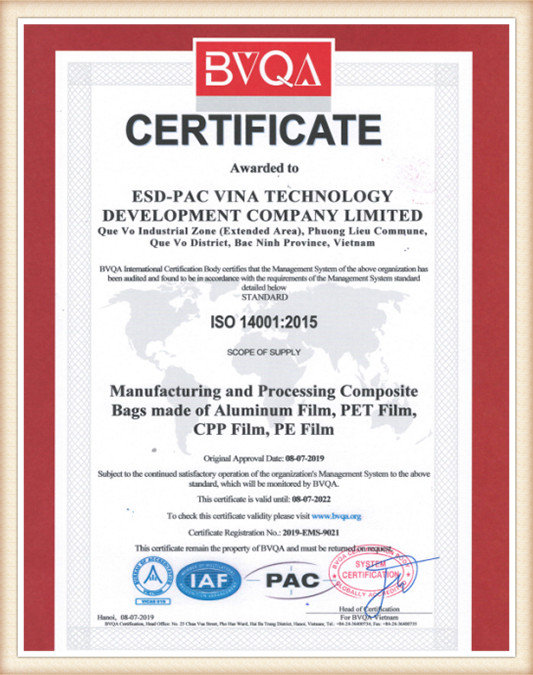
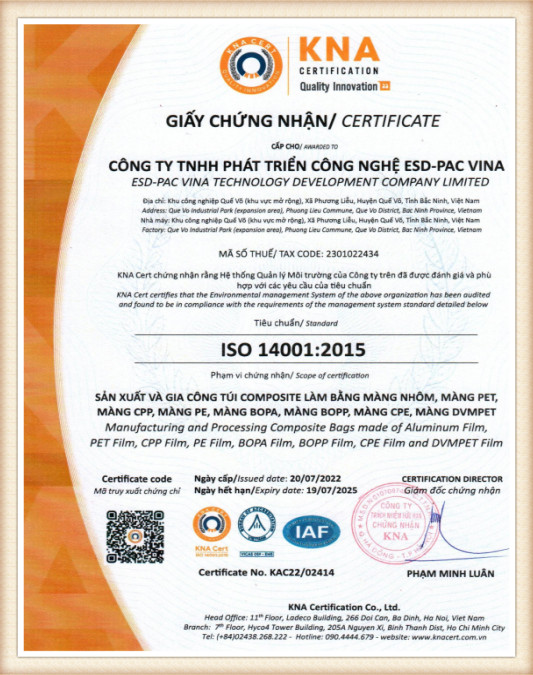
Operating within the Canberra market requires compliance with strict national and international standards. Our manufacturing lines align with the stringent demands of our clients across the ACT:
Electronic and Defence Systems Compliance: When supplying anti-static bags for electronics, we adhere to the ANSI/ESD S541 and IEC 61340 standards. This guarantees that every batch is tested for surface resistivity, shielding capability, and decay times, preventing ESD events during transport and cleanroom storage.
Food & Medical Contact Regulatory Alignment: All food-grade pouches and liquid doypacks comply with the Food Standards Australia New Zealand (FSANZ) regulations. Our raw materials are FDA-approved, ensuring no migration of heavy metals or harmful chemical compounds into food or cosmetic products.
Shielding critical communication components, PCB assemblies, and military-grade sensors from mechanical abrasion, moisture, and sudden electrostatic discharge during shipping and storage.
Moisture-proof vacuum barrier bags designed to protect sensitive chemical agents, diagnostic equipment, and sterile instruments used in Canberra's research universities and laboratories.
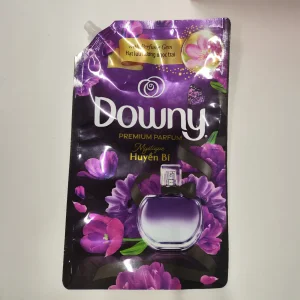
Highly durable spout doypacks and food-grade barrier pouches that preserve freshness, lock in aromas, and extend shelf life for local organic farmers, coffee roasters, and specialty food packagers.
As the Canberra market aligns with the Australian Packaging Covenant Organisation (APCO) targets, the packaging industry must balance durability with environmental responsibility. Our current research and development projects focus on:
1. Recyclable Mono-Material Barriers: Traditional multi-material structures (such as PET/AL/PE) are notoriously difficult to recycle. We are developing high-barrier mono-material PE and PP laminates that offer similar MVTR performance while being fully compatible with standard Australian recycling systems.
2. Bio-Based Antistatic Polymers: Moving away from fossil-fuel-based additives, our team is testing plant-derived surface agents to achieve stable anti-static dissipative values without compromising the mechanical integrity of our films.
Welcome to our high-tech manufacturing company, located in the bustling industrial zone of Bac Ninh Province, Vietnam. Established in March 2018, we have quickly become a leading manufacturer of products such as foil, anti-static film, aluminum pouches, anti-static bags, and vacuum bags.
We operate two modern factories in Quy Vu Industrial Park, Bac Ninh, and have recently expanded our factory area to 12,000 square meters. This growth reflects our commitment to providing our customers with the highest quality products.
Our company integrates manufacturing, sales, and research & development to ensure we remain at the forefront of technological advancements in the packaging industry. This dedication to innovation and superior quality makes us a reliable partner for businesses seeking premium packaging solutions.
We are committed to continuous improvement, rigorous quality control, and responsive customer service to meet the ever-changing needs of our customers worldwide.
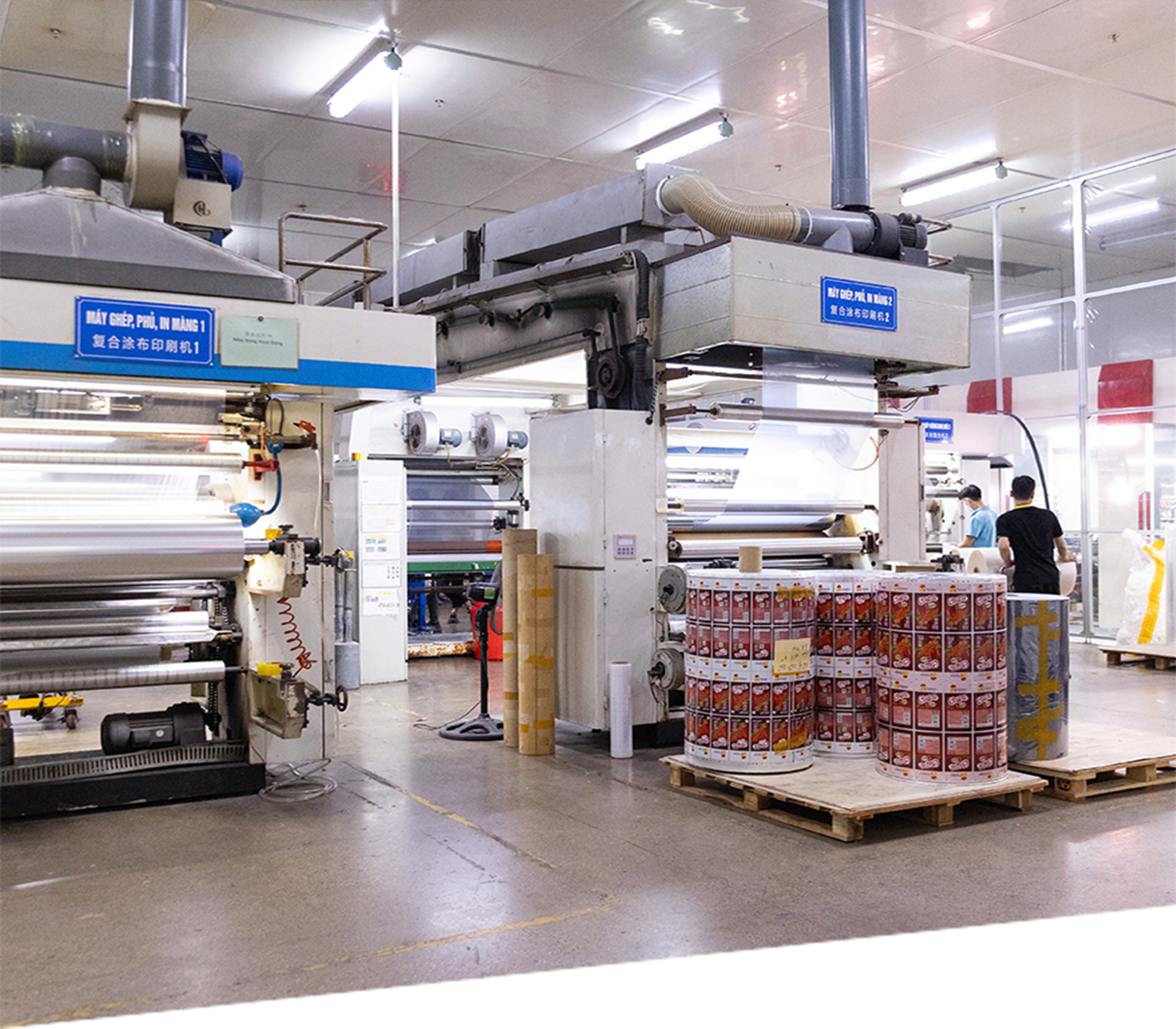
At our core is a passion for delivering products that meet and exceed customer expectations. Our highly skilled team of professionals is committed to adhering to the highest standards of quality and efficiency in every aspect of our operations. From raw material sourcing to manufacturing and final product delivery, we prioritize precision and attention to detail.
We are proud to offer a diverse range of products, including aluminum foil, anti-static film, aluminum pouches, anti-static pouches, and vacuum bags. These products are designed to provide optimal protection and preservation for all types of goods, ensuring they arrive at their destination in the best possible condition.
Our aluminum foil is designed to prevent moisture, oxygen, and other environmental factors that can affect product quality. Similarly, our anti-static films and bags are designed to protect sensitive electronic components from the effects of static discharge, ensuring they remain safe and functioning properly throughout the packaging and shipping process. Additionally, our vacuum bags offer a reliable solution for extending the shelf life of perishable items, ideal for food and pharmaceutical applications.
As a company, we are deeply committed to sustainability and environmental responsibility. We strive to minimize our environmental impact by implementing eco-friendly practices throughout our operations. From efficient resource utilization to responsible waste management, we are committed to creating a positive environmental impact.
Overall, our company prides itself on being a leading manufacturer of high-quality packaging solutions, meeting the needs of businesses across a wide range of industries. With a focus on innovation, quality, and sustainability, we consistently strive to exceed customer expectations and contribute to their business success. Thank you for your interest in our products, and we look forward to the opportunity to serve your packaging needs.
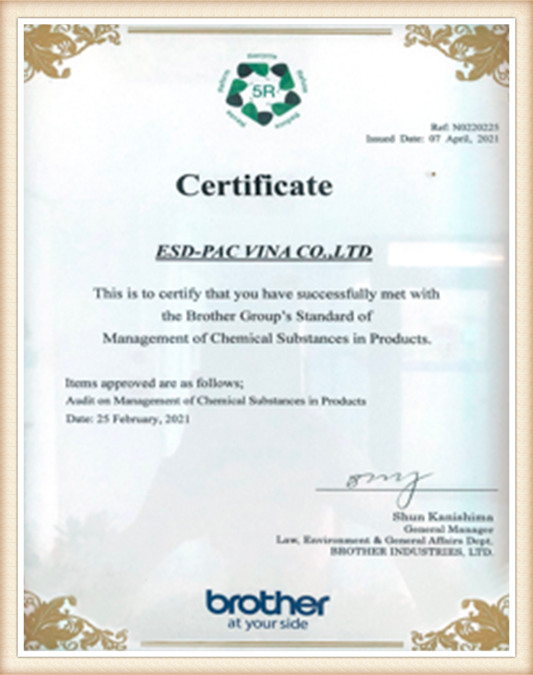
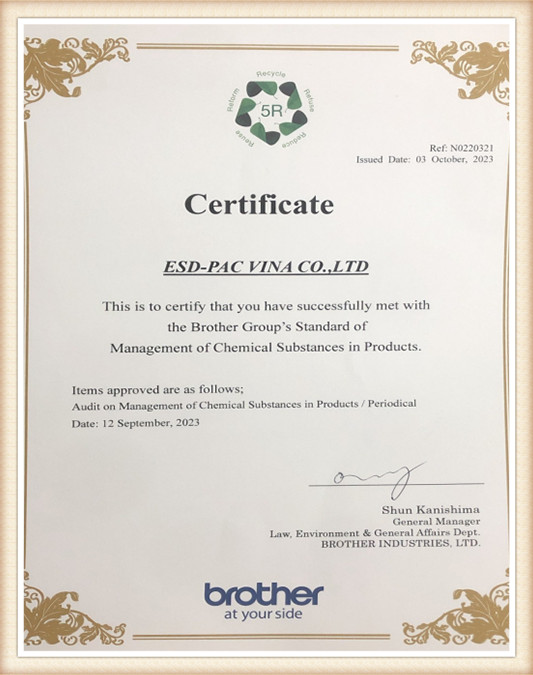
API 6D, API 607, CE, ISO9001, ISO14001, ISO18001, TS. (If you need our certificates, please contact us).
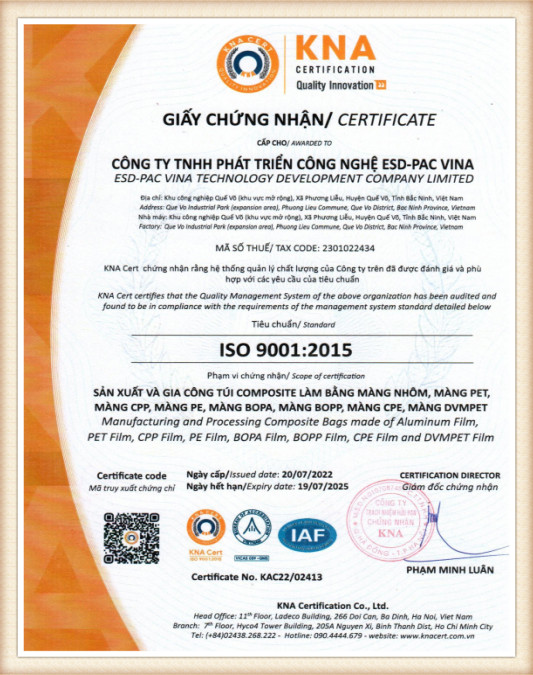
Select the ideal high-performance shielding or barrier material for your industry requirement.
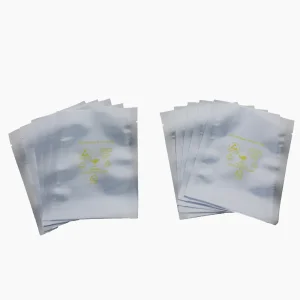
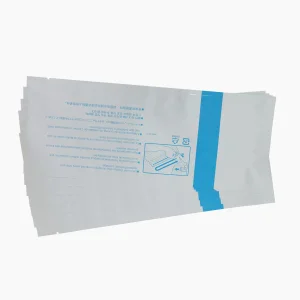
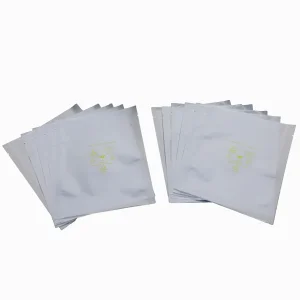
Key considerations for Canberra based buyers procuring high-barrier, anti-static, and commercial packaging.
 ESD-PAC VINA