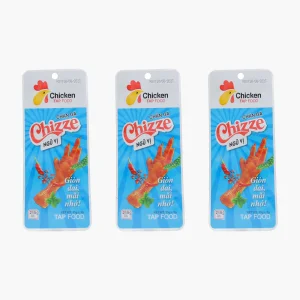
Direct supply line of food-grade barriers and electrostatic discharge protection materials optimized for Benin logistics
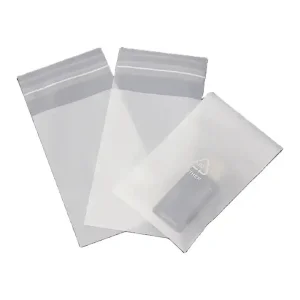
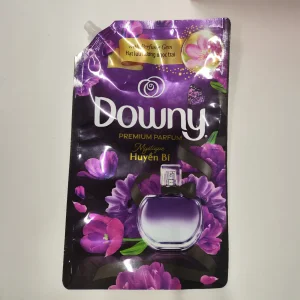
Benin is rapidly cementing its status as the commercial gateway of West Africa. Powered by the modernization of the Autonomous Port of Cotonou (PAC) and expanding Special Economic Zones (SEZs) such as the GDIZ (Glo-Djigbé Industrial Zone), the nation’s manufacturing, food processing, and chemical sectors are undergoing a massive technological shift. To sustain this momentum, local industries require packaging that meets international quality standards, withstands extreme tropical humidity, and ensures product integrity over extended regional transit routes.
With humidity levels averaging 80% to 90% in coastal regions like Cotonou, local manufacturers face severe risks from oxidative spoilage and moisture intrusion. Standard packaging structures easily degrade, leading to premature product failures and massive logistical losses. High-performance barrier lamination is no longer a luxury—it is an absolute necessity.
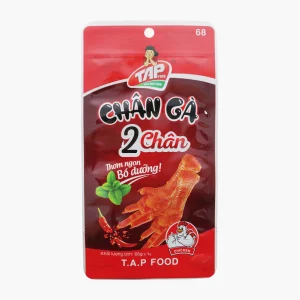
Agriculture remains the backbone of the Beninese economy, contributing significantly to GDP and employment. The processing of domestic crops—namely cashew nuts (anacarde), shea butter, cotton seed derivatives, dried pineapples, and cassava—has transitioned from raw export to localized, value-added packaging. High-barrier food bags prevent contamination and extend shelf-life. This ensures agricultural processors can directly package finished consumer goods for export to European and North American markets under stringent food safety compliance guidelines.
The Fast-Moving Consumer Goods (FMCG) market in West Africa is pivoting toward localized production. Local liquid detergent manufacturers and cosmetic producers require packaging formats that optimize transit volumes and minimize plastic waste. Traditional rigid HDPE bottles are increasingly being replaced by custom-engineered stand-up pouches (Doypacks) with integrated spouts. These multi-layer barrier films withstand chemical interaction, protect active ingredients, and lower shipping costs across the ECOWAS sub-region.
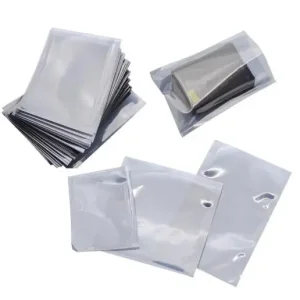
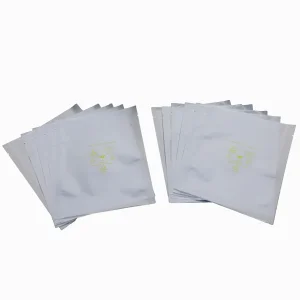
As Benin positions itself as a tech and assembly hub within the West African digital initiative, cleanroom assembly plants and electronic supply yards are developing. Electronics components are highly vulnerable to ESD (Electrostatic Discharge) and atmospheric corrosion. Global supply-chain standard ESD shielding bags with specialized static-dissipative structures are crucial for protecting sensitive PCBs, telecommunications equipment, and optical hardware during sea shipping and terminal handling.
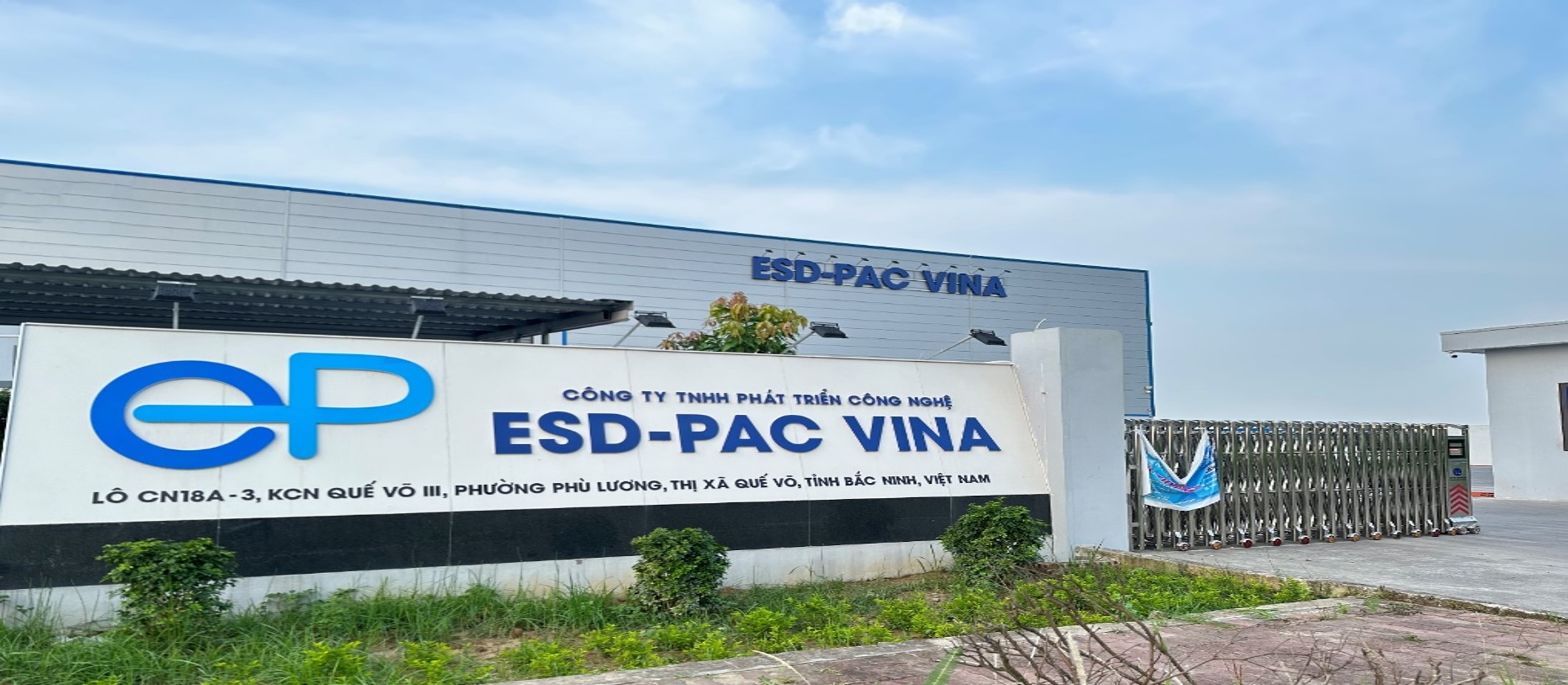
ESD-PAC VINA is a premium manufacturer of complex multi-layered aluminum foil packaging, anti-static protective pouches, and high-barrier vacuum bags. Established in March 2018, our main manufacturing base operates from the Quy Vu Industrial Zone in Bac Ninh, Vietnam, representing a state-of-the-art facility spanning 12,000 square meters.
Get Factory SpecsStrategic integration of raw material sourcing, automated co-extrusion, and lean shipping protocols
Leveraging high-end solvent-less co-lamination machinery to fuse PET, Nylon, Aluminum Foil, and LLDPE layers, securing optimal barrier properties with zero delamination risk under intense tropical heat.
Strict anti-static and dust-free environments ensure ESD safe bags achieve a standard surface resistance of 106 to 1010 Ohms, protecting high-sensitivity components from static damage.
Efficient shipping routes connecting Quy Vu Industrial Park to the Port of Cotonou, offering competitive freight rates, custom clearance documentation, and localized trade support.
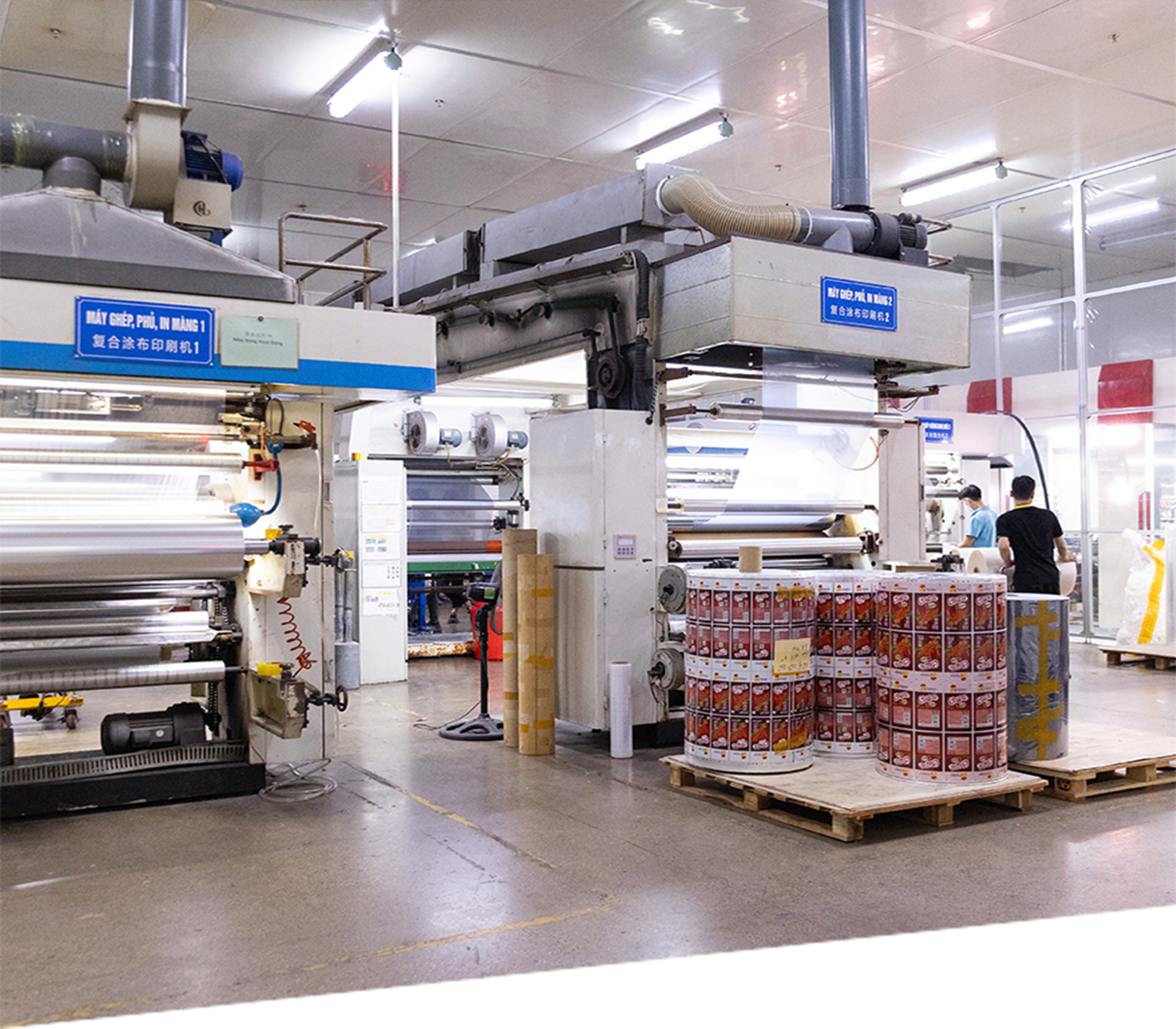
In modern industrial packaging, raw materials must perform consistently under extreme thermal and mechanical strain. We source only standard medical, food, and electronics-grade polymers. Our production methodologies ensure strict structural integrity across several critical vectors:
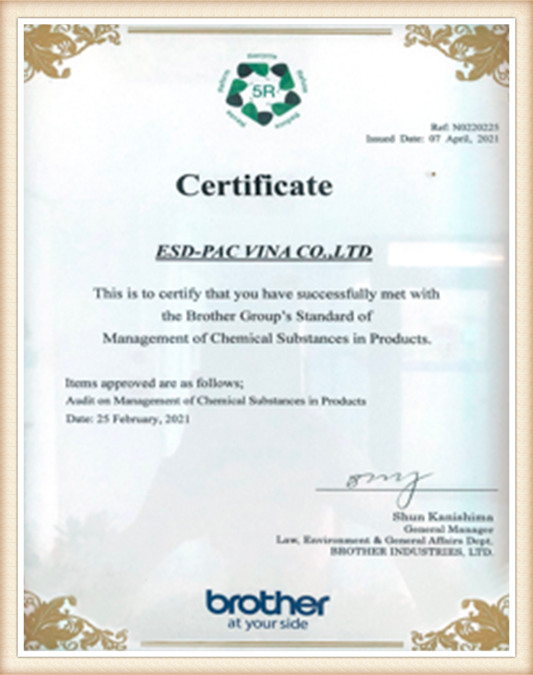
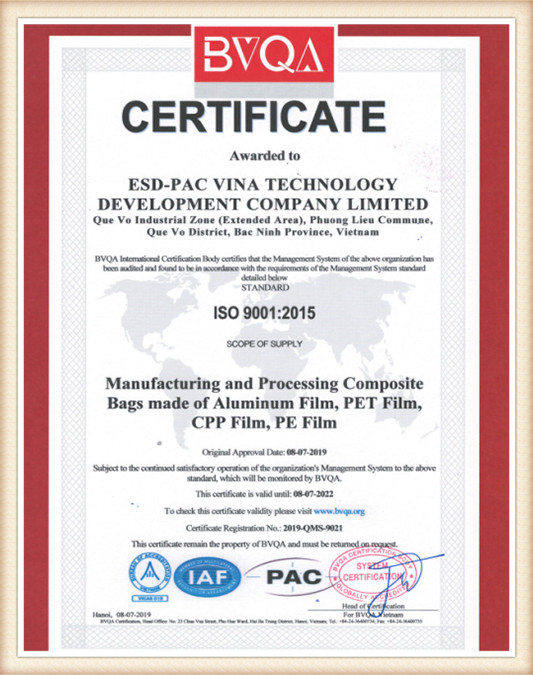
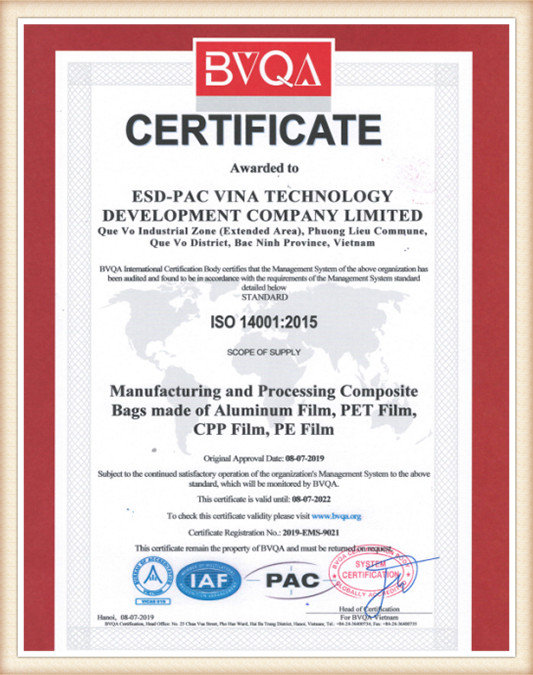
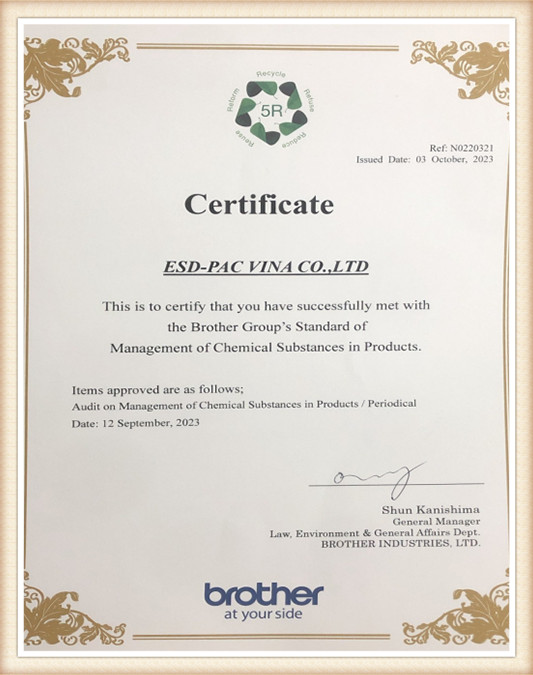
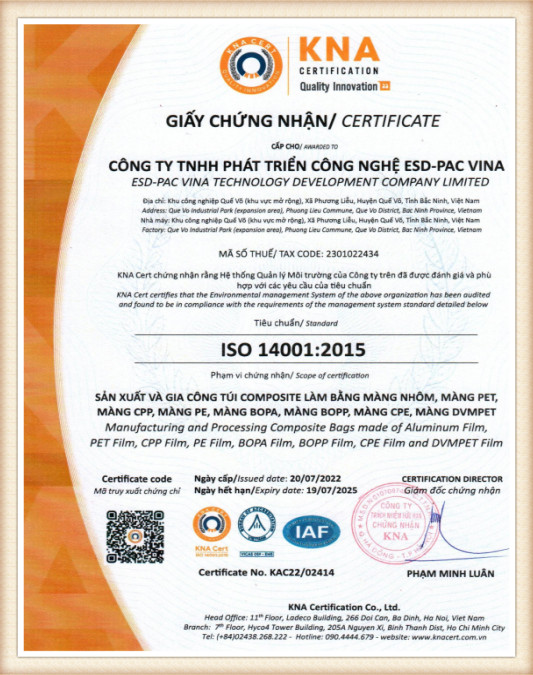
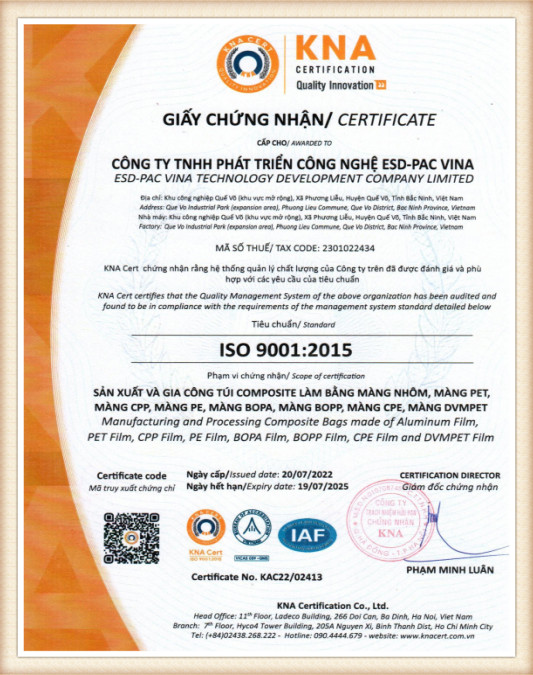
Engineered for food processing, electrical defense, detergent chemical barriers, and heavy-duty logistics

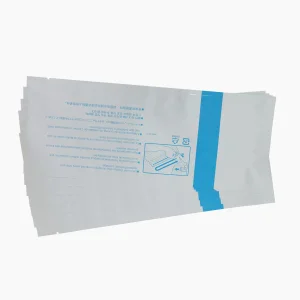
Understanding delivery, specifications, compatibility, and logistics regulations for importing packaging into Benin and West Africa
Discuss your material specifications with our packaging engineers. Get detailed technical sheets, structural recommendations, and pricing options tailored to your business needs.
Send Inquiry Now ESD-PAC VINA