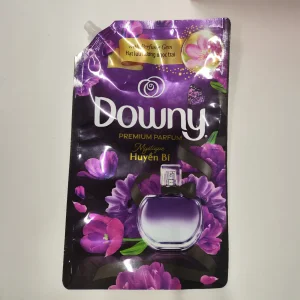
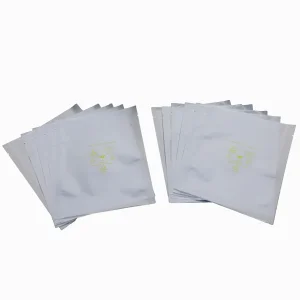
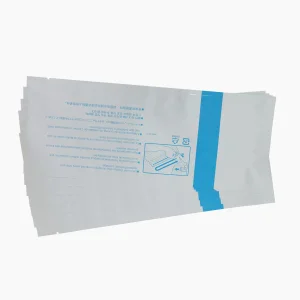
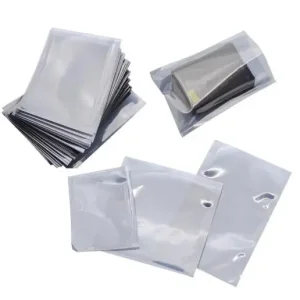
Explore our core structural solutions engineered for optimal environmental resistance, shelf-life extension, and electrostatic discharge (ESD) shielding.
Strategic insights into market dynamics, sustainability mandates, and the shift from rigid containment to flexible high-barrier retort structures.
The global packaging industry is witnessing a structural transformation. For decades, traditional "canned packaging" relied exclusively on rigid steel, tinplate, and glass. While highly reliable for thermal processing, these traditional formats impose heavy logistical costs, high carbon emissions during transport, and design limitations. Today, leading wholesale canned packaging suppliers and factories are expanding definitions to encompass high-barrier retort flexibles, metalized films, and spouted pouch assemblies. This modern iteration provides identical shelf-stability and hermetic seal integrity while drastically reducing weight and space.
By leveraging advanced material science—combining Biaxially Oriented Polyamide (BOPA), Aluminum foil (AL), and Cast Polypropylene (CPP)—manufacturers are creating lightweight canning solutions that resist puncture, prevent oxidation, and withstand thermal sterilization temperatures of up to 135°C. This evolution is driven by global supply chain pressures, where reducing shipping volumes and maximizing shipping container weight-to-volume ratios are critical for bottom-line profitability.
Furthermore, localized environmental mandates in North America, Europe, and Asia-Pacific are compelling brands to move toward materials that require less raw feedstock and require lower energy consumption during production. The transition to flexible laminated "canned" alternatives represents a significant reduction in lifecycle greenhouse gas emissions compared to rigid steel cans.
Analyzing how different regional markets leverage advanced high-barrier laminates for both food preservation and electronic component integrity.
For electronic component clusters, safeguarding delicate integrated circuits requires moisture-barrier layers paired with static dissipative external skins. The intersection of anti-static film and canned-level moisture barrier provides optimal protection for microchips, ensuring zero degradation from static discharge or ambient relative humidity.
Modern canned food alternatives utilize aluminum foil-core laminates to match the 2-to-5-year shelf-life of standard tin cans. These structures offer a total barrier against oxygen (OTR) and water vapor transmission (WVTR), preventing biological contamination and vitamin oxidation in ambient commercial storage.
Rigid cans are shipped empty, transporting air and consuming massive volume. Flexible barrier pouches ship flat, saving up to 85% of shipping space before filling. This yields dramatic freight savings and slashes carbon footprints across maritime and overland distribution lines.
A schematic representation of how our packaging raw materials are engineered, tested, and optimized for rugged industrial demands.
Fusing discrete polymers like PET, Nylon, and CPP with specialized adhesive agents to ensure mechanical resilience and zero delamination during thermal processing.
Depositing a nano-thin layer of aluminum molecules to act as a definitive blockade against UV light, moisture penetration, and electrostatic build-up.
Subjecting materials to extreme pressure cooker conditions (up to 135°C for 45 minutes) to ensure structural integrity and preservation of food safety standards.
Verifying static dissipative performance down to nanoseconds and testing tensile seal strength under stress to guarantee long-term reliability.
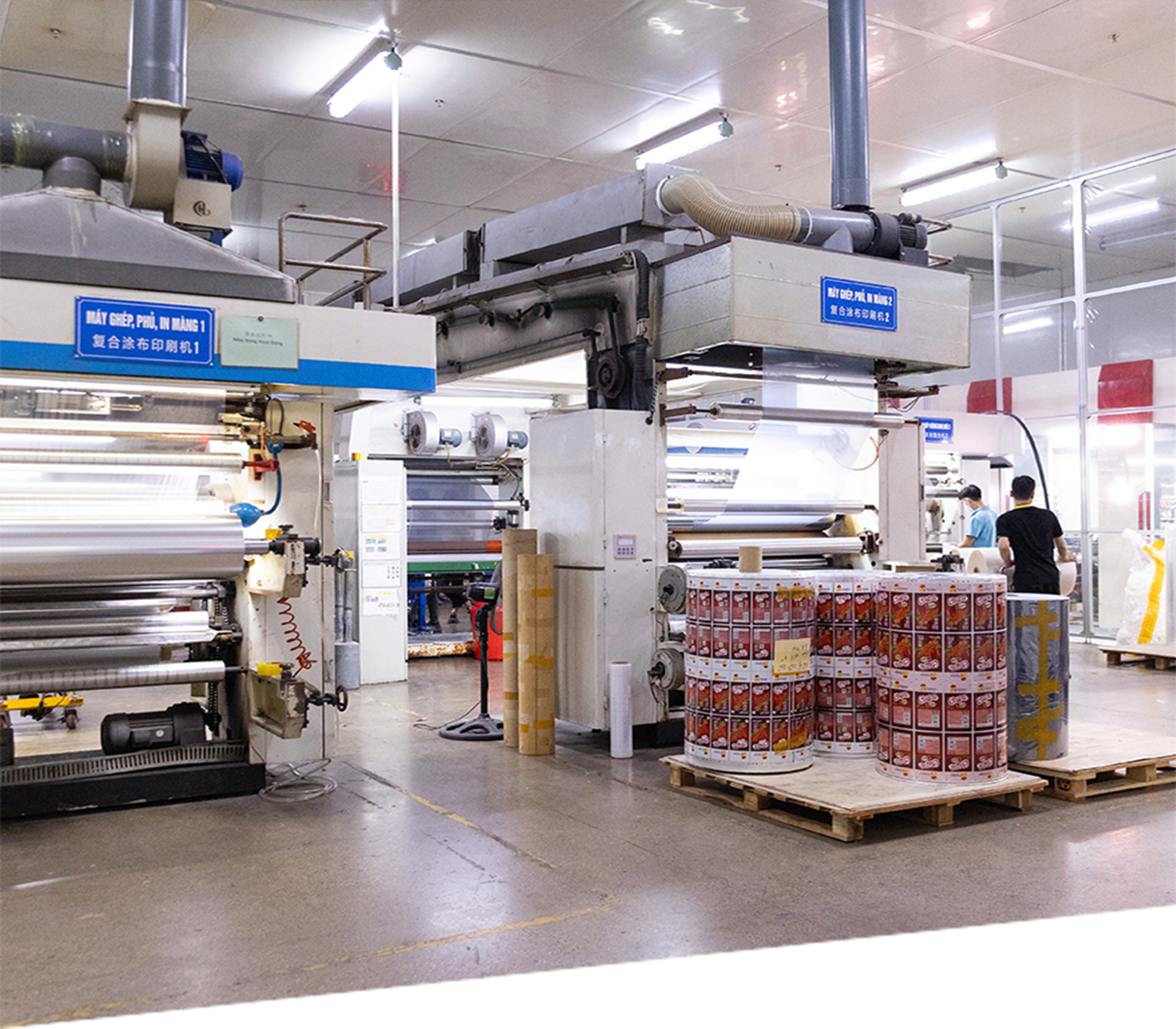
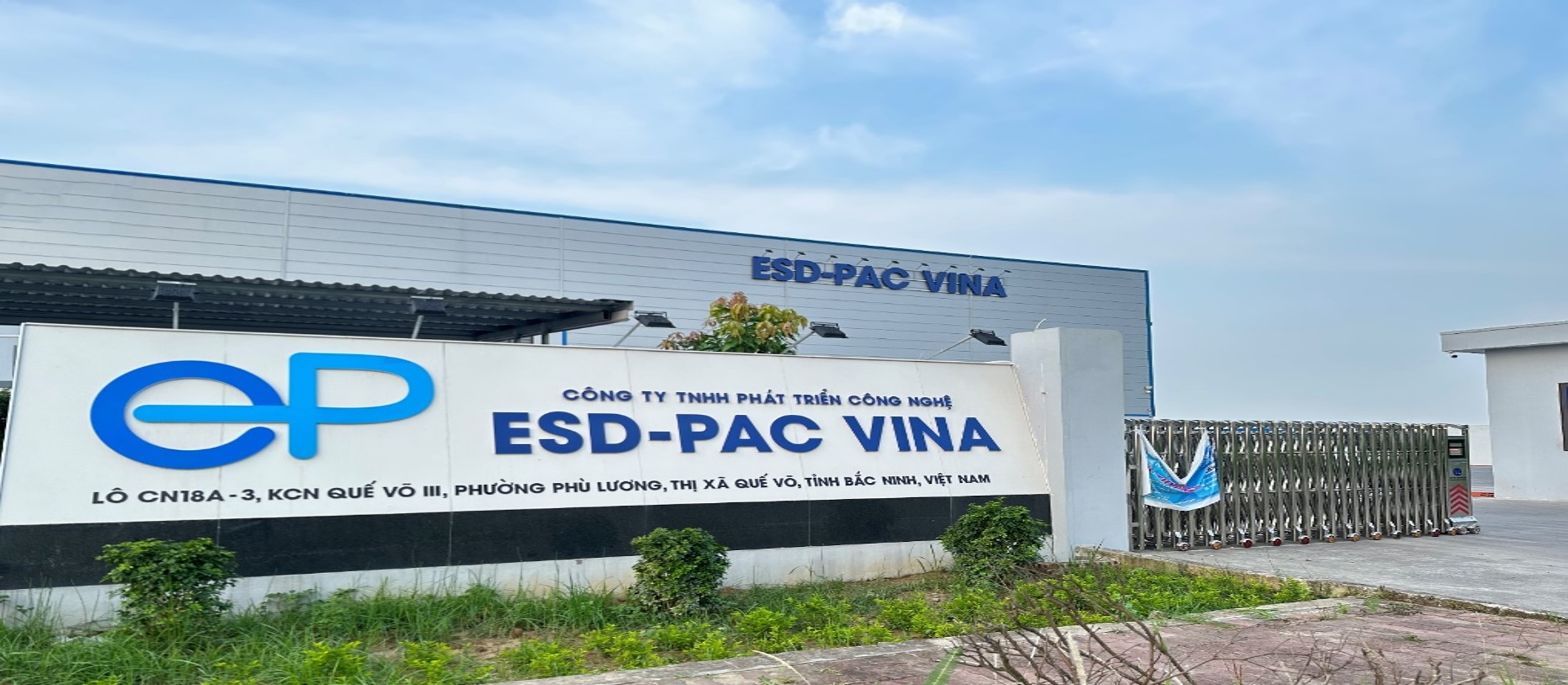
Established in March 2018 in the highly active industrial hub of Bac Ninh Province, Vietnam, ESD-PAC VINA operates as a premier integrated manufacturing, research, and sales corporation. We specialize in producing foil, anti-static films, aluminum pouches, anti-static bags, and high-barrier vacuum systems.
Our operation spans two modern factories located within the Quy Vu Industrial Park, with an expanded production footprint of 12,000 square meters. Backed by rigorous quality control protocols and active research and development, we deliver packaging solutions designed to shield goods from environmental degradation, mechanical shock, and electrostatic decay.
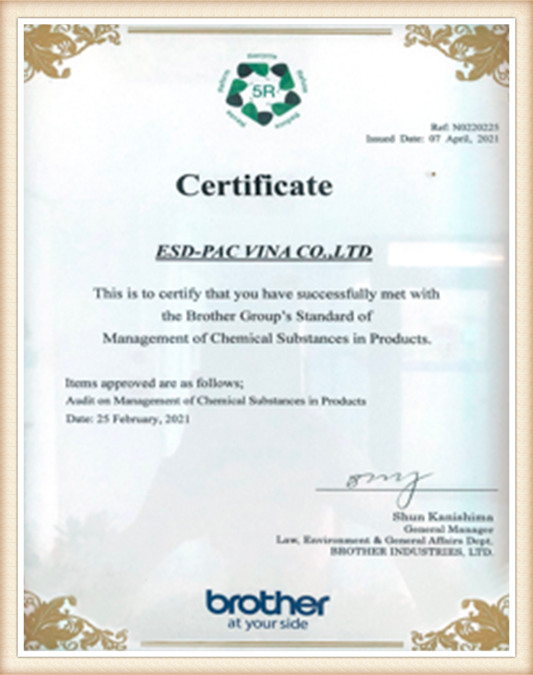
Our commitment to sustainability underpins our manufacturing operations, leading us to optimize resource usage and utilize eco-friendly practices to meet the compliance and performance needs of our worldwide client base.
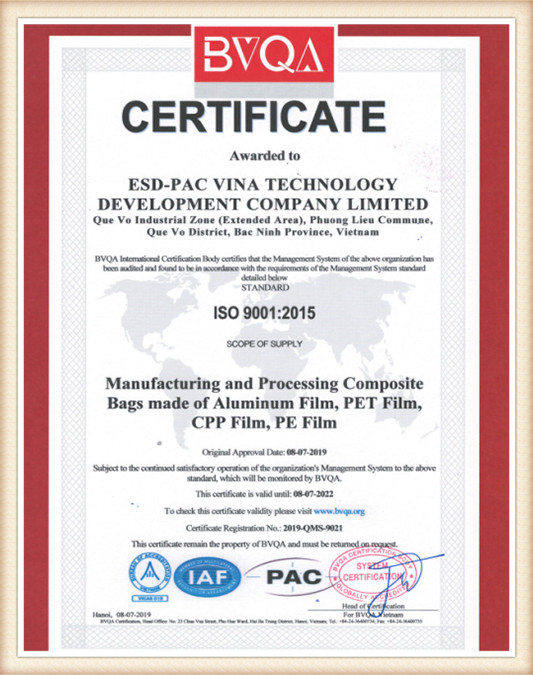
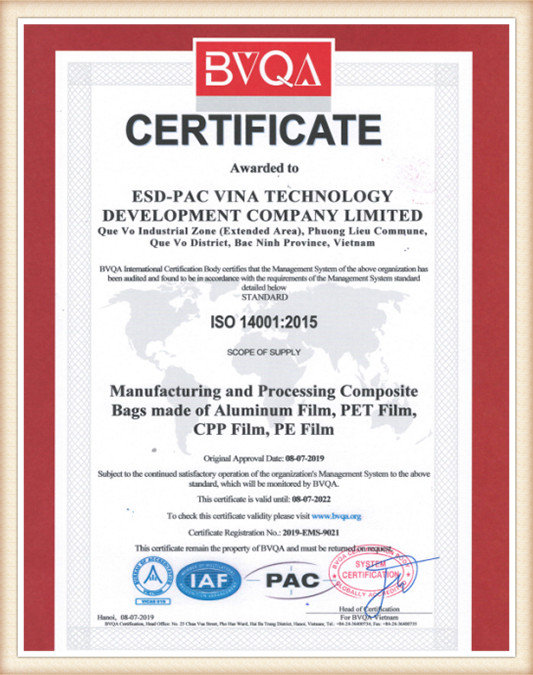
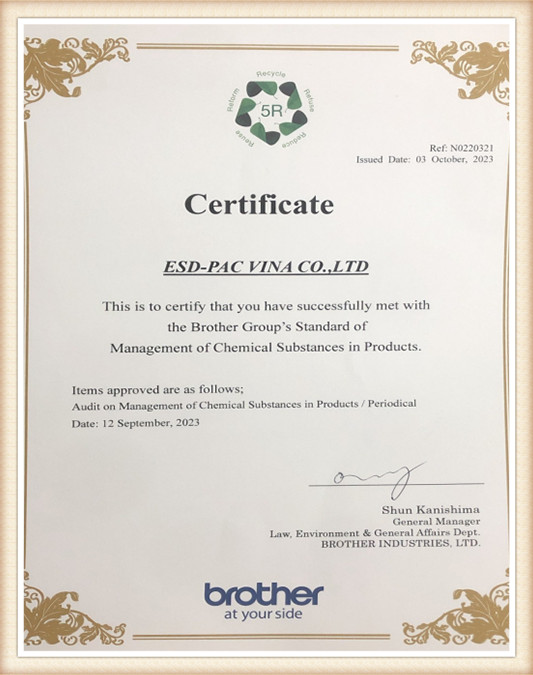
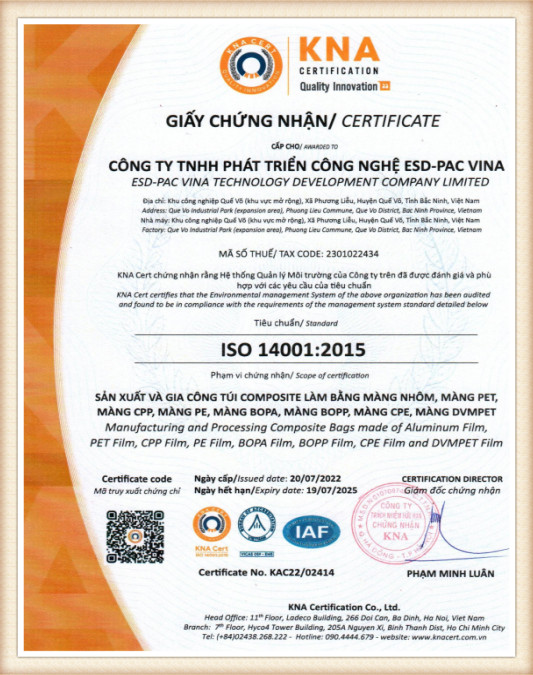
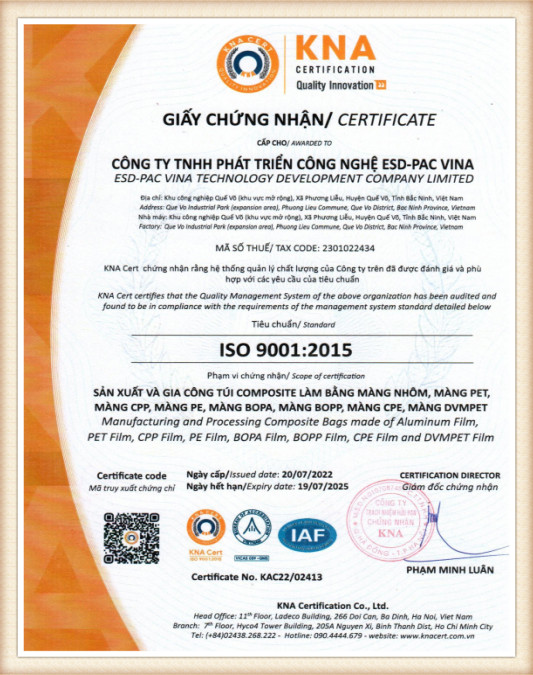
Our design and manufacturing procedures strictly comply with international standards, ensuring compliance, safety, and performance for complex industrial programs.
API 6D, API 607, CE, ISO9001, ISO14001, ISO18001, TS.
Addressing the technical, structural, and chemical questions most frequently raised by packaging procurement managers and quality engineers.
High-barrier packaging uses laminated structures featuring aluminum foil, metallized films, or PVDC/EVOH coatings. These components lower the Oxygen Transmission Rate (OTR) and Water Vapor Transmission Rate (WVTR) to near-zero levels, mimicking the shelf stability of traditional rigid tinplate or glass cans.
Retort pouches are engineered using polymers like Cast Polypropylene (CPP) for the sealing layer, which offers thermal stability up to 135°C. This allows the package to undergo high-pressure steam sterilization without delaminating, melting, or losing seal integrity.
Electrostatic discharge (ESD) can destroy internal circuitry in sensitive electronics. ESD-safe shielding bags combine a conductive metallized shield layer with dissipative outer and inner coatings, neutralizing electrical potential differentials while offering full moisture barrier protection.
Before filling, flexible barrier packaging ships and stores flat. This yields substantial reductions in warehousing footprint and warehouse-to-factory transport costs. After filling, it presents a lighter gross package weight, lowering global transport energy requirements.
Connect with our engineering team to develop custom configurations for your food, industrial chemical, or electronics protection requirements.
 ESD-PAC VINA