Vacuum Packing is a method that enhances food preservation and safety. It reduces spoilage rates and extends shelf life. According to a report from the Food Preservation Society, vacuum-packed foods can last up to five times longer than traditionally stored items. This innovation helps minimize food waste, a pressing issue in many sectors. In the United States alone, approximately 30-40% of the food supply is wasted annually, as per the USDA.
The practice of Vacuum Packing not only preserves nutrients but also retains flavor and texture. Studies show that vacuum-sealed foods maintain their quality significantly longer. However, challenges exist. Improper sealing can lead to compromised quality and safety. Ensuring the right equipment and techniques is crucial. Industry experts often emphasize the value of using high-quality vacuum sealers.
Exploring the benefits of Vacuum Packing reveals both its potential and flaws. While it offers substantial advantages in food storage, awareness of best practices is essential. Minor errors in the packing process can lead to unexpected results. Continuous learning about vacuum packing methods can enhance effectiveness.
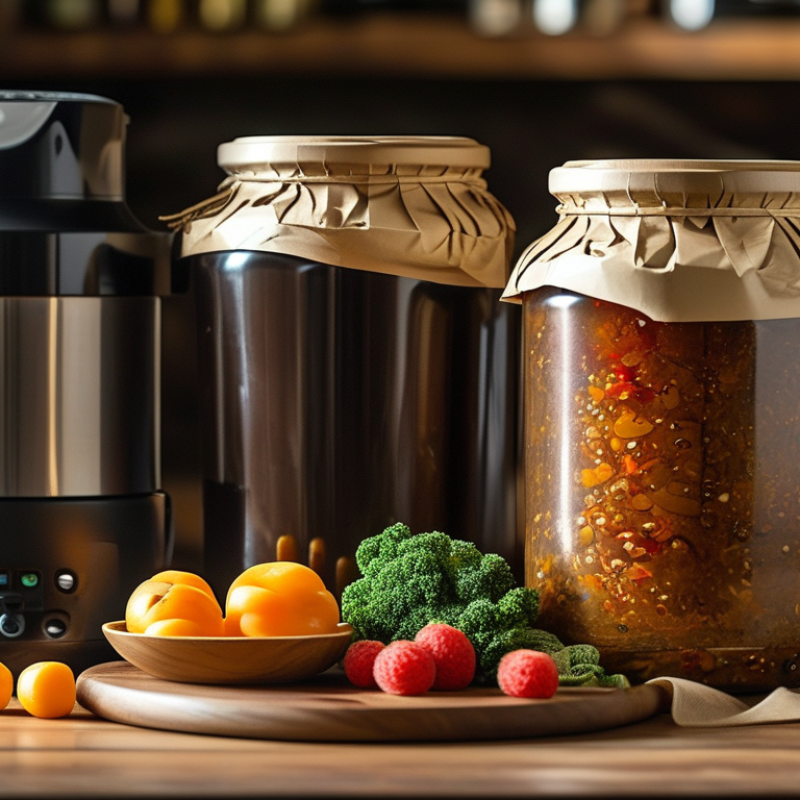
What is Vacuum Packing?
Vacuum packing is a method that removes air from packaging to preserve food and other items. It extends shelf life by up to five times, according to research by the Food and Drug Administration. By minimizing oxygen, the growth of bacteria slows significantly. This benefits both consumers and businesses by reducing food waste. A report by the European Food Safety Authority suggests that vacuum-sealed foods retain nutritional value better than traditionally stored items.
When using vacuum packing, ensure that the food is fresh. This significantly enhances longevity. Always use a reliable vacuum sealer for the best results. Tips for effective packing include:
- Pre-freezing moist foods to prevent moisture build-up in the bag,
- Labeling packages with dates to monitor freshness.
Be aware that improper sealing can lead to spoilage.
It's important to note that vacuum packing may not work for all food types. High-fat foods, like cheese, may suffer from rancidity. Also, vacuum bags can puncture easily, leading to air intrusion. Therefore, inspect your seals regularly. Understanding these nuances can help optimize the benefits of vacuum packing while avoiding common pitfalls.
Benefits of Vacuum Packing for Food Preservation
Vacuum packing is an effective method for preserving food. By removing air from the packaging, the growth of bacteria and mold is significantly reduced. This technique helps to extend the shelf life of perishable items like meat, vegetables, and cheese. When food is vacuum sealed, it retains its flavor and nutrients longer, making it ideal for meal prep and storage.
One notable benefit is the preservation of freshness. Items like fruits can stay crisp when vacuum sealed. This process minimizes freezer burn and oxidation. It’s even helpful during long trips or for bulk purchases. However, not all foods are suitable for vacuum packing. Items with high moisture content or delicate textures may require caution. You might need to pre-freeze certain fruits to avoid mushiness.
Using vacuum packing also saves space. Organizing your fridge and pantry becomes easier with flat-pack bags. This method can lead to less food waste, but it does not eliminate it. Vacuum-sealed food can still spoil if stored improperly or for too long, highlighting the importance of proper storage practice. So, while vacuum packing is beneficial, attention to detail is essential.
Best Practices for Vacuum Packing at Home
Vacuum packing at home offers an effective way to preserve food. By removing air, it slows spoilage and maintains freshness. For best results, use high-quality vacuum bags suitable for your specific needs. It's essential to ensure that the bags are free of punctures and kept at the right temperature during storage.
When sealing items, consider the moisture content. Foods with high moisture can create steam, leading to poor sealing. Blot excess moisture with a paper towel before packing. It might take some practice to achieve the desired seal strength. Experimenting with different items can improve your technique over time. Don't forget to label your bags with dates; this helps maintain an organized system in your freezer.
Regular maintenance of your vacuum machine is crucial. Cleaning the sealing area prevents residues from affecting future use. Occasionally, the machine may require recalibration. Small issues can lead to air leaks, so pay attention to any changes in performance. Reflecting on what works and what doesn't will enhance your vacuum packing skills significantly.
Common Mistakes to Avoid in Vacuum Packing
Vacuum packing can significantly extend the shelf life of food. However, there are common mistakes that can compromise effectiveness. One frequent error is not using the right bags. Many people opt for standard plastic wrap instead of vacuum seal bags. These bags are designed to withstand the vacuuming process and create an airtight seal. Using inappropriate materials can cause leaks, reducing the benefits of vacuum packing.
Another mistake involves overpacking bags. When items are crammed into a package, air pockets can form. This can lead to uneven sealing, causing spoilage. It's crucial to leave enough space for proper sealing. Also, neglecting to pre-freeze liquids can result in messy situations. When liquids are vacuum sealed directly, they often expand and leak, making a mess of your vacuum sealer.
Lastly, ignoring food safety guidelines can lead to issues. Some foods, like mushrooms and garlic, can produce harmful bacteria in a vacuum-sealed environment. It's essential to understand which foods are safe for vacuum packing. Regularly checking seals for integrity is also necessary. If a seal is broken, the food can spoil quickly.
What is Vacuum Packing Benefits and Best Practices? - Common Mistakes to Avoid in Vacuum Packing
| Benefit |
Description |
Best Practice |
Common Mistake |
| Extended Shelf Life |
Reduces oxygen exposure, slowing down spoilage. |
Ensure proper seals to prevent air leaks. |
Not checking seals before storage. |
| Space Saving |
Compresses food items for efficient storage. |
Use appropriate size bags for items. |
Overpacking bags causing breakage. |
| Food Protection |
Prevents freezer burn and contamination. |
Label packages with dates for tracking. |
Skipping labeling, leading to confusion. |
| Marinating Efficiency |
Vacuum packing enhances marinating time. |
Use vacuum bags designed for marinating. |
Using regular bags can lead to leaks. |
Alternative Uses for Vacuum Packing Beyond Food
Vacuum packing is often associated with food preservation, but its applications extend significantly beyond the kitchen. For instance, in the realm of travel, vacuum packing can reduce luggage size by up to 50%. This not only saves space but also helps keep clothes tidy. Travelers can compress clothing, saving room for souvenirs or other essentials.
Additionally, vacuum packing is beneficial for other household items. It can preserve seasonal clothing, keeping them fresh and free from pests. A report by the Home Cleaning Institute suggests that vacuum packing can prolong the life of fabrics. Properly sealed, clothes can remain untouched for years without damage or mildew.
In the medical field, vacuum packing is used in sterilization processes. Instruments packed in this manner maintain sterility longer than traditional methods. However, while vacuum sealing offers efficiency, it has limitations. Sealing items without proper knowledge can lead to spoilage or damage. Users should be cautious about what items are vacuum packed, ensuring they're suitable for the method.
Benefits of Vacuum Packing
Conclusion
Vacuum packing is a food preservation method that removes air from packaging, thereby extending the shelf life of various perishable items. This technique not only helps in preventing spoilage and freezer burn but also enhances flavors and textures by keeping food fresh longer. Effective vacuum packing methods can be implemented at home, ensuring optimal sealing, bag selection, and suitable storage practices to maximize freshness.
To achieve the best results, it's important to follow specific best practices while being mindful of common mistakes, such as insufficient sealing or using inappropriate materials. Beyond food storage, vacuum packing can also be utilized for organizing household items, protecting valuable documents, or even in travel for compressing clothes. Embracing vacuum packing not only improves food preservation but also offers a versatile solution for everyday needs.

 ESD-PAC VINA