In today's competitive market, businesses must stand out. One effective way to achieve this is through Unique Packaging. Unique Packaging captures attention and enhances brand identity. It's not just about aesthetics; it's a strategic element that influences consumer choices.
Finding the right packaging solution can be daunting. Businesses often struggle to balance creativity and functionality. If your packaging fails to protect the product or is hard to open, it could lead to customer frustration. This concern highlights the importance of selecting Unique Packaging that aligns with your brand values and customer expectations.
Exploring diverse options can reveal unexpected solutions. From eco-friendly materials to innovative designs, the possibilities are vast. However, it’s essential to choose what suits your product and target audience. Unique Packaging is an investment, and making the right choices can significantly impact your brand's success.
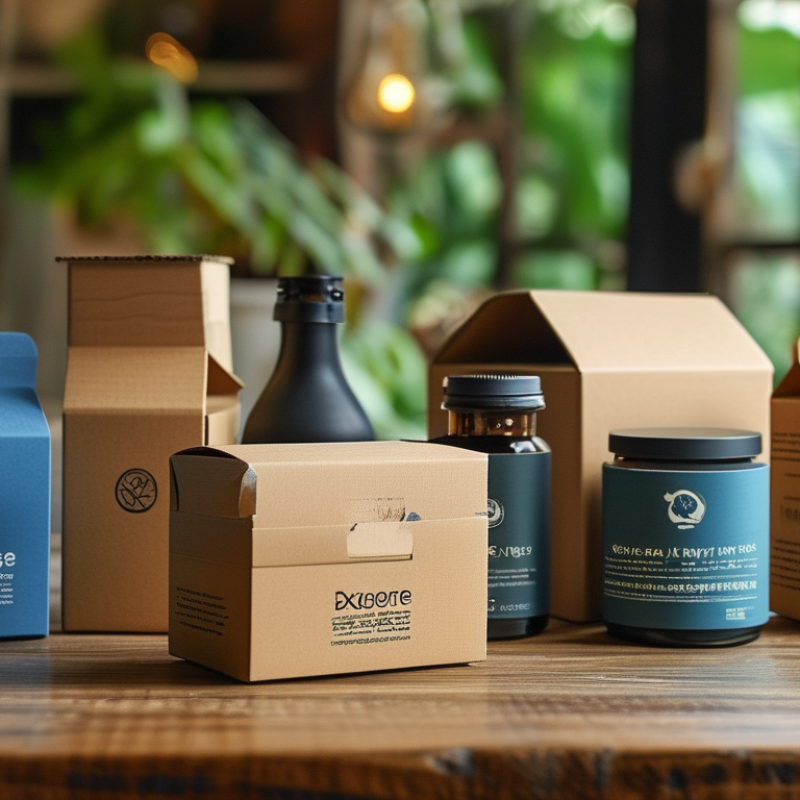
Unique packaging plays a crucial role in differentiation. According to a recent study, 72% of consumers say packaging design influences their purchasing decisions. This statistic underscores the importance of packaging in a competitive market. When businesses invest in unique packaging, they create a memorable impression. This helps brands stand out on crowded shelves.
Functionality is also key. Packaging should protect the product while remaining visually appealing. In fact, 52% of consumers are likely to repeat a purchase if they feel positively about the packaging experience. Brands face challenges here. Achieving the right balance of aesthetics and practicality requires careful thought. Many companies struggle with sustainability, focusing on design over environmental impact.
Not every packaging solution works for every business. Customization can be complex and costly. Businesses may experience trial and error in finding the right materials. It's a learning process. Striving for innovation while staying cost-effective is essential for long-term success. Companies should remain open to feedback and be willing to adapt their packaging strategies accordingly.
Packaging plays a crucial role in product presentation. It serves as a protective barrier and communicates brand identity. Today, businesses can choose from various packaging solutions tailored to their needs.
One popular option is eco-friendly packaging. Many companies are shifting towards biodegradable materials. These solutions appeal to environmentally conscious consumers. However, sourcing sustainable materials can sometimes be a challenge. The search for reliable suppliers may lead to inconsistent quality.
Custom packaging is another avenue worth exploring. It allows brands to differentiate their products with unique designs. Brands might use attractive shapes or colors to stand out on the shelf. However, custom packaging can be more expensive, which may constrain budgets for smaller companies. Ultimately, finding the right balance between cost and creativity is essential for success.
When selecting packaging for your products, several factors demand your attention. The material you choose impacts durability and aesthetics. For instance, eco-friendly options appeal to many consumers today. They seek sustainable choices that reflect their values. However, not every biodegradable option provides the same level of protection.
Design is another critical aspect. Effective packaging captures attention while communicating key product details. Think about color and typography. They should align with your brand identity. But remember, over-complication can lead to confusion. Simplifying designs often enhances clarity and engages customers better.
Cost considerations are also essential. High-quality packaging can boost perceived value, yet it’s vital not to overspend. Balancing quality and affordability is key. If packaging costs exceed product value, assess your choices. Reflect on your priorities, and you may find unexpected alternatives that fit your budget.
Packaging is more than just a wrapper; it's a vital part of your brand identity. Innovative packaging can tell your brand story and connect with your target audience on a deeper level. Designers are now taking creative risks by using unexpected materials and shapes. For example, eco-friendly packaging solutions are making waves. They not only serve practical purposes but also resonate with environmentally conscious consumers.
Consider using vibrant colors and unique textures that can attract attention on crowded shelves. Combining functionality with aesthetics can enhance user experience. Think about how unboxing a product can be a moment of excitement. However, striking the right balance between creativity and practicality can be challenging. Some designs may look great but may not function well in real-world conditions.
Embarking on this journey requires deep research and understanding of your audience's preferences. It's essential to gather feedback and iterate on your designs. Sometimes, a seemingly small detail can significantly impact customer perception. Embracing vulnerability in your packaging choices can lead to authentic connections. An innovative design can indeed enhance your brand, but it must be tested and refined through real interactions.
| Packaging Type | Material | Sustainability | Design Innovation | Cost Range |
|---|---|---|---|---|
| Folding Cartons | Paperboard | Recyclable | Custom Print Options | $0.50 - $2.00 per unit |
| Bottles | Glass | Reusable & Recyclable | Unique Shapes | $1.00 - $5.00 per unit |
| Eco-Friendly Bags | Biodegradable Plastic | Fully Biodegradable | Customizable Prints | $0.30 - $1.50 per unit |
| Shrink Sleeves | Plastic Film | Recyclable | Full-Body Coverage | $0.10 - $0.75 per unit |
| Rigid Boxes | Cardboard | Recyclable | Luxury Finishes | $2.00 - $10.00 per unit |
Sustainability in packaging is becoming a priority for businesses. According to a recent report by Smithers Pira, the global sustainable packaging market will reach $500 billion by 2025. This shift highlights the demand for eco-friendly materials and designs. Companies need to adapt to this trend to meet customer expectations and regulatory pressures.
A popular option is biodegradable packaging. Materials like plant-based polymers decompose naturally. This reduces landfill waste and minimizes environmental impact. However, not all biodegradable options break down equally. Businesses should research material sources and degradation timelines.
Tip: Consider using recycled packaging materials. They can significantly lower your carbon footprint. Additionally, optimize designs to use less material while maintaining product protection. Engaging in sustainable practices can enhance a company's reputation and appeal to environmentally conscious consumers.
Adopting eco-friendly packaging can be challenging. Some businesses face higher costs and logistical issues. It's essential to balance sustainability with budget constraints. Regularly evaluate your supply chain to find innovative solutions that work for your business. Embracing these changes, though sometimes difficult, fosters long-term health for the environment and your brand.
: Unique packaging helps differentiate products in a crowded market. It creates a memorable impression, influencing purchasing decisions.
Around 72% of consumers say packaging design impacts their choices. Attractive packaging can lead to more sales.
Packaging must protect the product and be visually appealing. Striking a balance between aesthetics and practicality is vital.
Many struggle with sustainability. Focusing on design may compromise environmental impact, requiring thoughtful planning.
No, customization is different for each business. Finding the right materials can be a costly trial-and-error process.
Biodegradable packaging is gaining traction. It appeals to eco-conscious consumers but requires careful sourcing.
Using recycled materials can lower carbon footprints. This practice also enhances a company’s reputation among consumers.
Custom designs can be expensive. Smaller companies may struggle to balance creativity with budget constraints.
The global demand for sustainable packaging is rising. Companies need to meet regulations and customer expectations.
Regularly evaluate suppliers and designs. Being open to feedback can help adapt to changing market needs.
Unique packaging plays a pivotal role in differentiating businesses in today’s competitive market. It enhances product visibility, communicates brand values, and fosters customer loyalty. Companies have a wide array of packaging solutions available, ranging from traditional materials to innovative designs that capture attention. When selecting the right packaging, businesses should consider several factors such as product type, target audience, and cost-effectiveness to ensure that their unique packaging aligns with their brand strategy.
Furthermore, sustainability is becoming increasingly important in packaging choices. Eco-friendly options not only appeal to environmentally conscious consumers but also contribute to a brand's positive image. Innovative design ideas can elevate a product's appeal while demonstrating a commitment to sustainability. In conclusion, embracing unique packaging solutions can significantly enhance a business's market presence and resonate strongly with consumers.

ESD-PAC VINA