In recent years, the spout pouch has gained popularity in packaging. Industry expert, John Anderson, states, "Spout pouches offer convenience and versatility for modern consumers." This innovative packaging solution is not just functional; it also appeals to eco-conscious buyers.
The spout pouch is designed for a variety of products, from liquids to granules. Its user-friendly spout makes it easy to dispense contents. Moreover, these pouches are lightweight and reduce transportation costs, but are they truly sustainable? Some experts argue that the materials used can complicate recycling processes.
As the demand for spout pouches rises, manufacturers face challenges in balancing functionality and environmental impact. Despite their benefits, further improvements are essential. Understanding how to make spout pouches safer and more eco-friendly will remain critical for the industry's future.
What is a Spout Pouch?
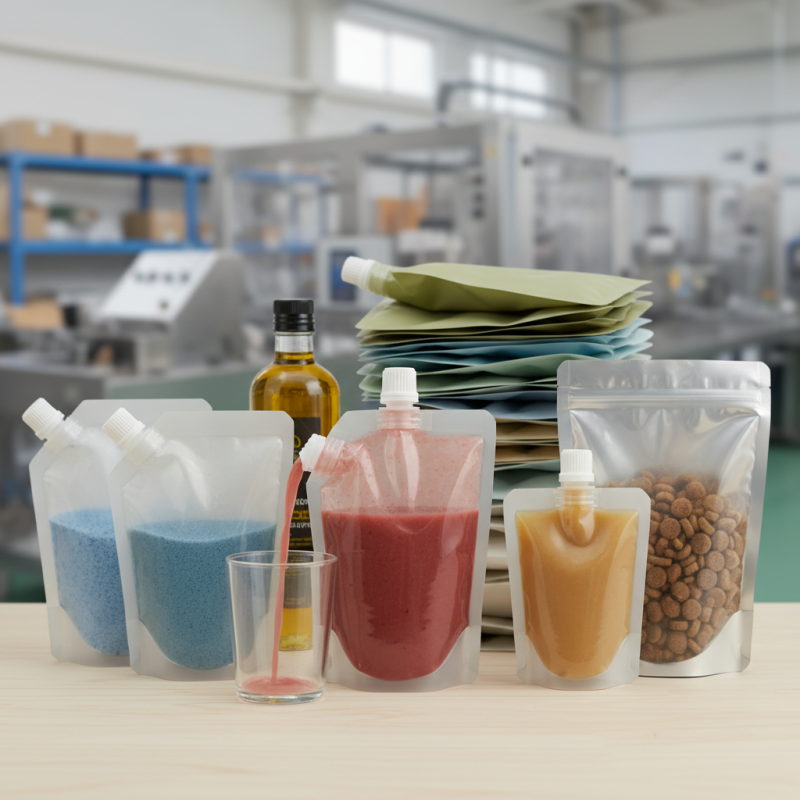
A spout pouch is a flexible packaging solution designed for easy pouring. It typically consists of a pouch made from several layers of film, which provides durability and maintains the freshness of its contents. A small spout is integrated into the pouch, allowing for controlled dispensing of liquids or semi-liquids. This unique design makes spout pouches popular in various industries, including food and beverages, personal care, and household products.
Many consumers appreciate spout pouches for their convenience. They can easily squeeze the pouch to dispense the desired amount without mess. This is particularly useful for products like sauces, juices, and baby food. The compact nature of spout pouches also makes them space-efficient in both retail and home settings. However, some might overlook their environmental impact. While spout pouches can be recyclable, not all materials are accepted. It’s essential for users to research proper disposal methods.
The versatility of spout pouches is evident in their various sizes and formats. From large pouches designed for bulk food service to smaller pouches suitable for single servings, there’s a spout pouch for many uses. Yet, this flexibility can lead to confusion in choosing the right type for specific needs. Consumers should weigh factors like usability and sustainability when selecting a spout pouch.
Design and Structure of Spout Pouches
Spout pouches have gained popularity due to their unique design and functionality. These flexible containers often feature a spout for easy pouring, making them perfect for liquids, powders, and semi-solids. The structure of a spout pouch typically includes a stand-up design, which helps with shelf stability. According to a report by Grand View Research, the global flexible packaging market was valued at over $250 billion in 2021, with spout pouches contributing significantly to this growth trend.
The material used in spout pouches is crucial for their performance. Most are made from multi-layer laminates, providing barrier properties against moisture and oxygen. This design helps extend the shelf life of products, an essential factor for both manufacturers and consumers. A study from the Flexible Packaging Association indicated that nearly 80% of consumers prefer packages that preserve freshness. Designs can also vary based on intended use, showcasing the versatility of spout pouches.
Tips for optimal use include ensuring the spout is sealed tightly to prevent leaks. When considering spout pouches, note that not all materials are recyclable. This is an important factor for environmentally-conscious consumers. Lastly, clarity in labeling on these pouches can aid in distinguishing product types, ensuring customers make informed choices.
Usage and Distribution of Spout Pouches in Various Industries
Common Materials Used in Spout Pouch Manufacturing
Spout pouches, often used for liquids and semi-liquids, are made from various materials, primarily plastic laminates. These materials, such as polyethylene and nylon, provide excellent barrier properties. They help protect products from moisture, light, and oxygen. According to industry reports, spout pouches can extend shelf life and reduce spoilage. This is crucial for juice, sauces, and other food items.
The choice of materials significantly influences the pouch's performance. Flexible plastics are lightweight and reduce shipping costs. However, some may lack durability. The market shows a rising trend toward sustainable materials, like bio-based plastics. A report indicated that the demand for recyclable pouches is increasing, with 30% of consumers preferring eco-friendly packaging.
Testing is essential in spout pouch manufacturing. Manufacturers must ensure proper seal strength and leak resistance. Inconsistent sealing can lead to costly product losses and unhappy customers. The industry must also address the challenge of recycling plastic pouches. Many facilities struggle to process flexible materials, which affects sustainability efforts. These ongoing issues require continuous innovation and improvement in materials and processes.
What is a Spout Pouch and How is it Used? - Common Materials Used in Spout Pouch Manufacturing
| Material Type |
Common Uses |
Benefits |
Environmental Impact |
| PET (Polyethylene Terephthalate) |
Beverages, sauces, and liquid foods |
Durable, lightweight, and transparent |
Recyclable; lower carbon footprint |
| LDPE (Low-Density Polyethylene) |
Condiments, food items, non-carbonated drinks |
Flexible, resistant to impact |
Widely recyclable; less energy to produce |
| Aluminum Foil |
Coffee, snacks, and ready-to-eat meals |
Excellent barrier properties; preserves freshness |
Fully recyclable; reduces food waste |
| Paperboard |
Dairy products, sauces, and bakery items |
Bio-degradable; good printing surface |
Sustainable forestry practices; recyclable |
Applications of Spout Pouches in Various Industries
Spout pouches are increasingly popular in various industries due to their convenience and versatility. These pouches are commonly used for packaging liquids and semi-liquids. A report published by Grand View Research notes that the global spout pouch market is expected to grow by 5.5% annually from 2023 to 2030. This growth is driven by the demand for innovative packaging solutions that are easy to use.
In the food sector, spout pouches are ideal for sauces, beverages, and snacks. They provide a hermetic seal, which enhances shelf life. The cosmetic industry also favors these pouches for easy dispensing of liquids like shampoos and conditioners. According to a survey by ResearchAndMarkets, the beauty product segment is a significant contributor to the rising demand for spout packaging, expected to increase by 4.7% through 2027.
Tip: When selecting spout pouches, consider the material. Many manufacturers offer options that are recyclable. This is crucial for brands aiming to improve their sustainability footprint.
The beverage industry benefits significantly from spout pouches, especially for on-the-go consumers. A report from Allied Market Research indicates that spout pouches in the beverage segment are projected to rise, catering to trends toward portable packaging. However, there may be challenges with the consumer acceptance of new formats. Brands should test consumer reactions before a full rollout.
Tip: Conducting consumer feedback sessions can help refine your product. This approach creates a connection and ensures that the packaging meets customer expectations.
Benefits of Using Spout Pouches for Packaging Solutions
Spout pouches have gained popularity in the packaging industry due to their versatile design and user-friendly features. According to a report by Grand View Research, the global flexible packaging market is expected to reach USD 300 billion by 2025, partly fueled by innovations like spout pouches. These containers allow for easy pouring and resealing, making them especially appealing for liquid products like sauces, beverages, and baby food.
The benefits of using spout pouches are evident. They are lightweight and reduce shipping costs. In fact, spout pouches can lead to a 40% reduction in waste compared to rigid containers. Their design often includes a child-proof cap, enhancing safety for households with young children. Multiple studies indicate that consumer preference shifts towards eco-friendly packaging, and spout pouches can contribute to sustainability efforts by being recyclable or made from renewable materials.
Despite these advantages, some manufacturers face challenges. Not all spout pouch materials are equally recyclable. The variability in materials can lead to misconceptions about their environmental impact. Companies must carefully choose suppliers and materials to meet eco-friendly standards. This reflects the ongoing need for innovation, ensuring that spout pouches not only meet user needs but also support broader sustainability goals.
FAQS
: A spout pouch is a flexible packaging designed for easy pouring. It has a durable film structure to keep contents fresh.
Consumers can easily squeeze the pouch to dispense liquids without causing a mess. This is useful for products like sauces.
Yes, their compact design saves space in retail and home settings. They can fit various storage needs.
Some spout pouches are recyclable, but not all materials are accepted. Users should research proper disposal methods.
Spout pouches vary in size, from large pouches for bulk use to small ones for single servings.
Spout pouches are lightweight, which can reduce shipping costs significantly compared to traditional containers.
Yes, many spout pouches have child-proof caps. This adds an extra layer of safety for homes with young kids.
Not all pouch materials are recyclable. Misconceptions can arise about their environmental impact due to material variability.
They can be made from renewable materials and are favored in consumer preferences for eco-friendly packaging options.
The flexibility in pouch types may confuse consumers. It’s important to consider usability and sustainability when choosing.
Conclusion
A spout pouch is a flexible packaging solution designed to hold liquids or semi-liquids, featuring a built-in spout for convenient dispensing. The design and structure typically include a gusseted base for stability and a resealable cap, making it user-friendly and efficient. Common materials used in the manufacturing of spout pouches include durable plastics and laminates, which ensure product protection and extend shelf life.
Spout pouches serve a wide range of applications across various industries, including beverages, sauces, and personal care products. Their versatility, combined with benefits such as reduced packaging waste and ease of transport, makes them an increasingly popular choice for businesses looking to enhance their packaging solutions. Overall, spout pouches combine functionality with sustainability, catering to the evolving needs of consumers and manufacturers alike.

 ESD-PAC VINA