The packaging film industry is evolving rapidly. By 2026, new trends will shape how we think about packaging. According to experts, staying ahead of these changes is crucial for businesses. John Smith, a recognized packaging film consultant, stated, "Embracing innovation is vital for success in packaging film."
Understanding packaging film trends is important for brands. Each year, consumer preferences shift. Sustainable materials are increasingly in demand. In addition, the design must capture attention while ensuring functionality. These trends can boost brand image. However, not all companies adapt quickly enough. Ignoring them can be detrimental.
As the market grows, challenges arise. The balance between cost and quality remains delicate. Companies must invest wisely in technology. Innovations can seem intimidating, yet they offer new opportunities. With careful planning, businesses can thrive in the evolving packaging film landscape.
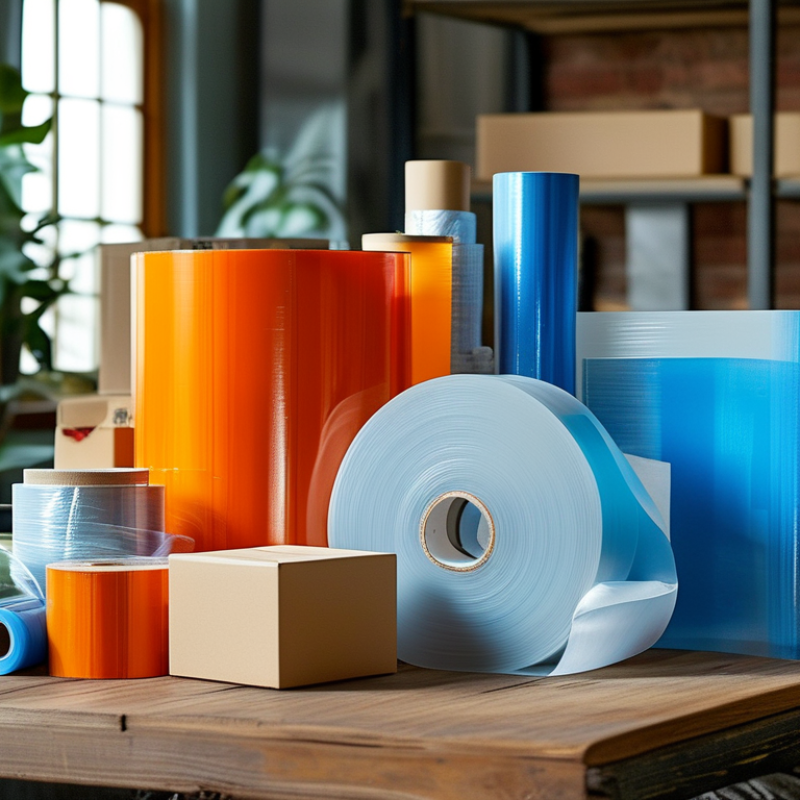
Emerging Technologies in Packaging Films for 2026
As we look into 2026, the landscape of packaging films is evolving at an astonishing pace. Emerging technologies are reshaping how we approach packaging, pushing for sustainability and efficiency. According to a recent report by Smithers Pira, the global market for packaging films is projected to reach $350 billion by 2026, driven by innovations in bioplastics and recyclable materials.
The development of
smart packaging is one exciting trend. This technology allows for real-time monitoring of products, enhancing freshness and safety. For instance, sensors embedded in packaging films can detect spoilage and communicate with retailers or consumers. This innovation may reduce food waste significantly, a crucial step towards sustainability.
Tip: Consider experimenting with smart packaging solutions to improve product tracking.
Another trend is the increasing use of
biodegradable films. Research indicates that the market for biodegradable packaging is expected to grow by over
20% annually. This shift is essential for reducing plastic pollution. However, we must consider production costs, which can be higher than traditional materials.
Tip: Evaluate the cost-benefit ratio when transitioning to biodegradable options.
In addition, the demand for
lightweight materials is on the rise. Reducing the thickness of packaging films not only lowers material costs but also decreases shipping weights, leading to lower carbon footprints. Yet, engineers face challenges in maintaining durability while achieving lighter designs. Balancing these needs requires ongoing research and innovation.
Sustainability Initiatives Impacting Film Packaging Trends
Sustainability has become a cornerstone of packaging film trends. As consumers demand eco-friendly solutions, manufacturers are adapting. This shift is evident in the growing use of biodegradable materials. Many companies are experimenting with plant-based films. These materials reduce waste and are less harmful than traditional plastics.
However, the journey to sustainability is not without challenges. Some biodegradable films still require specific conditions to break down. The recycling infrastructure in place is often lacking. This can lead to confusion among consumers. Many want to recycle but are unsure how. It's crucial to address this knowledge gap.
In 2026, expect to see more transparency in packaging. Brands are likely to highlight environmental impacts. This could include labels that inform consumers about the material's lifespan. Education will play a vital role. Companies that invest in clear communication could lead the way in creating a more sustainable future.
Consumer Preferences Shaping the Future of Packaging Films
Consumer preferences are significantly shaping the future of packaging films. In 2026, sustainability will be a key focus. Many consumers prefer eco-friendly materials. They demand packaging that reduces environmental impact. Biodegradable and recyclable films are gaining popularity. Brands should prioritize sourcing sustainable materials.
Design also plays a critical role. Eye-catching visuals can attract consumers. Transparent packaging is appealing, as it showcases products. However, brands must balance aesthetics with functionality. The film should protect the product while being visually engaging. This requires creativity and careful selection of materials.
Convenience is another factor influencing consumer choices. Packaging that is easy to open and reseal is favored. Users seek convenience in everyday products. On the downside, some designs may overlook usability for style. This presents a challenge for brands that want to innovate while meeting practical needs. Balancing consumer desires with operational capabilities requires a thoughtful approach.
Innovative Materials Revolutionizing Packaging Film Applications
The packaging film industry is undergoing a significant transformation fueled by innovative materials. In 2026, sustainable options are expected to dominate the market, accounting for nearly 40% of packaging used globally, according to the latest Market Research Insights. Biodegradable films made from plant-based materials are leading this change. These films reduce environmental impact while maintaining product integrity.
Additionally, smart packaging films are gaining traction. These films can interact with consumers, providing real-time information on product freshness or shelf life. A recent study indicates that smart packaging is projected to grow at a compound annual growth rate (CAGR) of 8% through 2027. Such advancements can enhance user experience and ensure food safety, reflecting a shift towards more functional packaging solutions.
However, challenges remain. Many manufacturers struggle with the cost of sourcing sustainable materials. Ensuring scalability while maintaining quality is another hurdle. Industry experts recommend investing in research and development to bridge these gaps and improve overall production efficiency. This reflection on current limitations highlights the ongoing evolution within the packaging film sector.
Regulatory Influences and Standards for Packaging Films in 2026
As we approach 2026, regulatory influences on packaging films will be profound. Governments worldwide are tightening standards to promote sustainability. These regulations aim to reduce plastic waste and encourage the use of recyclable materials. Companies must adapt quickly to comply with these evolving requirements. Failure to do so may hinder market access. This highlights the need for continuous education and adaptation in the industry.
Standards for packaging films will also focus on safety and functionality. Various materials must meet specific criteria to ensure product protection without harming the environment. This balance is challenging yet necessary. Regulatory bodies will likely implement more rigorous testing protocols. Industries must invest in research and development to innovate while adhering to these regulations. However, compliance can be an expensive and time-consuming process for many businesses.
Packaging film manufacturers should engage with regulatory agencies to stay updated. This will help them understand upcoming changes and prepare accordingly. Additionally, collaboration with industry peers can foster shared knowledge and solutions. As regulations shape future trends, reflection on current practices will be crucial. Being proactive rather than reactive will benefit companies in the long run.
Conclusion
The article "Top Packaging Film Trends You Need to Know in 2026" explores the key developments shaping the future of packaging films. As emerging technologies advance, new innovations in packaging film materials and applications are set to transform the industry. Sustainability initiatives continue to influence trends, pushing for eco-friendly options that align with consumer preferences prioritizing environmental responsibility.
Additionally, evolving consumer expectations are driving brands to adopt more functional and aesthetically appealing packaging films. Regulatory influences and standards are also pivotal in governing the production and use of packaging films, ensuring safety and compliance while promoting responsible practices. Overall, these trends indicate that the packaging film landscape in 2026 will be characterized by a strong emphasis on sustainability, innovation, and consumer-centric solutions.

 ESD-PAC VINA