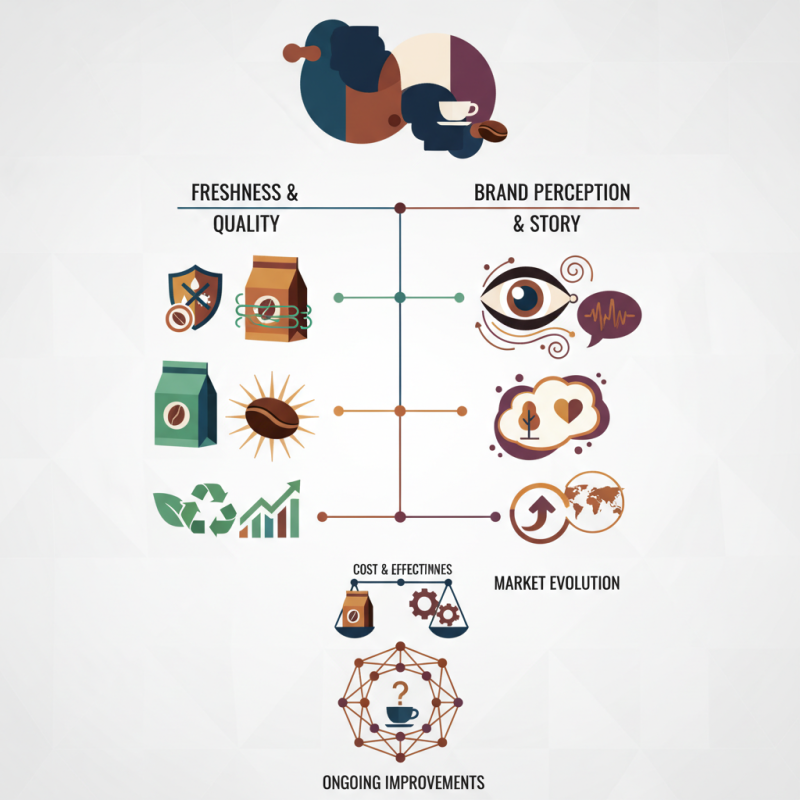
In the competitive market of coffee, packaging plays a crucial role for global buyers. "Coffee Packaging is not just about aesthetics; it influences freshness and brand perception," says Dr. Emily Thompson, a leading expert in coffee supply chain sustainability. Buyers today prioritize both quality and environmental impact.
Innovative coffee packaging can ensure the beans remain fresh longer. It protects against moisture, light, and oxygen, all enemies of flavor. With a focus on sustainability, brands that use eco-friendly materials meet the growing demand for environmentally conscious products. Yet, not all packaging solutions are perfect; ongoing improvements are needed to balance cost and effectiveness.
Moreover, packaging also communicates a brand's story. Eye-catching designs can attract buyers, but the message must resonate. Customers desire authenticity, and they can often sense when a product is trying too hard. Finding this balance can be challenging, making it vital for brands to rethink their strategies in the evolving coffee market.
Coffee packaging plays a crucial role in preserving the freshness and quality of this beloved beverage. When coffee beans are exposed to air, light, and moisture, they start to lose their unique flavors and aromas. Appropriate packaging helps to shield the beans from these elements, maintaining their quality until they reach the consumer.
The choice of packaging material significantly affects the coffee's shelf life. Vacuum sealing and opaque bags can prevent oxidation and protect against light degradation. This ensures that the beans retain their essential oils and robust flavors. A common mistake in packaging is relying solely on aesthetic appeal, neglecting functionality. Quality and preservation should always take precedence over visual design.
Tips for buyers:
1. Look for vacuum-sealed bags for maximum freshness.
2. Choose opaque packaging to protect from light exposure.
Each coffee purchase should be a thoughtful choice for the best experience. Many buyers may overlook the packaging details, assuming all coffee is equal. By prioritizing effective packaging, buyers can truly savor the full range of flavors that high-quality coffee can offer.
This chart demonstrates the impact of various coffee packaging types on the preservation of freshness and quality. The data represents the effectiveness of different packaging materials in maintaining the flavor and aroma of coffee over time.
Packaging plays a crucial role in differentiating coffee brands in a saturated market. Each package tells a story. It reflects the values of the brand and the quality of the product inside. Unique designs and colors grab attention. This is essential in a retail environment where countless coffee options exist.
However, it's not just about aesthetics. Effective packaging helps maintain freshness. Many buyers seek out high-quality beans. They want assurance that the coffee will taste as expected. Packaging that emphasizes freshness can attract these discerning customers. Yet, some companies overlook this aspect, leading to dissatisfaction.
Another consideration is sustainability. Packaging choices impact the environment and brand image. Consumers are increasingly aware of ecological issues. They prefer brands that prioritize eco-friendly materials. While many companies promote green packaging, not all follow through. This inconsistency can harm trust. It's vital for brands to stay authentic and transparent about their practices.
Sustainable packaging has become a focal point in the global coffee market. Buyers now prioritize eco-friendly materials. This shift is due to growing awareness around environmental issues. Traditional packaging often contributes to waste. Many consumers are looking for alternatives that minimize harm to the planet.
Biodegradable and recyclable options are gaining traction. These materials reduce the carbon footprint associated with coffee production. The coffee industry is responding by innovating packaging solutions. These include compostable bags and reusable containers. However, challenges remain. Not all sustainable options provide the same level of protection for the coffee.
Brand reliability can be questioned with new materials. Some buyers might worry about freshness. Balancing sustainability with quality is crucial. The market needs clear labeling and information. Transparency in sourcing can help buyers make informed choices. Education about the benefits of sustainable packaging continues to be essential.
Coffee packaging plays a critical role in attracting consumers. In today's market, it must be visually appealing. Bright colors and unique designs stand out on shelves. However, aesthetics alone aren’t enough. Buyers also seek information about the product inside. Clear labeling of origin and flavor notes can influence purchasing decisions.
Sustainability is another growing concern. More consumers prefer eco-friendly packaging. Biodegradable or recyclable materials resonate with environmentally conscious buyers. Those features not only enhance brand reputation but also build customer loyalty. Yet, many coffee producers face challenges in balancing cost and sustainability.
Incorporating cultural elements in design can also attract specific markets. This requires understanding the target demographic. Packaging must reflect consumer values and preferences. Ignoring these can lead to missed opportunities. Brands need to remain adaptable and responsive to market trends. The coffee industry is competitive, and packaging can be a deciding factor.
| Packaging Type | Consumer Preference (%) | Environmental Impact (%) | Design Appeal (Rating out of 5) | Cost Effectiveness (%) |
|---|---|---|---|---|
| Paper Bags | 30 | 50 | 4.2 | 70 |
| Plastic Bags | 15 | 80 | 3.5 | 85 |
| Glass Jars | 25 | 40 | 4.8 | 60 |
| Tin Tie Bags | 20 | 60 | 4.5 | 75 |
| Biodegradable Bags | 10 | 90 | 4.0 | 65 |
Packaging in the coffee industry must comply with various regulations. These regulations vary by country and impact international trade. For instance, the Food and Drug Administration (FDA) in the United States mandates specific labeling requirements. Compliance protects consumers and ensures quality.
In 2022, companies exporting coffee to Europe saw a rise in scrutiny regarding packaging standards. The European Union has strict regulations for food safety and environmental impact. According to a report by the International Coffee Organization, 35% of coffee imports face delays due to packaging non-compliance. This data highlights how essential it is for exporters to be knowledgeable about regulations.
Sustainable packaging is gaining traction. More consumers prefer eco-friendly options, which drive regulations forward. However, many exporters struggle to keep up with these evolving standards. Balancing cost efficiency and compliance is a challenge. The stakes are high; failure to meet regulations can lead to significant losses. Therefore, understanding these factors is crucial for successful entry into global markets.
: Coffee packaging preserves freshness and quality by shielding beans from air, light, and moisture.
Vacuum sealing and opaque bags effectively prevent oxidation and protect against light degradation.
Look for vacuum-sealed bags and opaque packaging to maintain the integrity of coffee flavors.
More consumers now prefer eco-friendly materials that minimize waste and reduce environmental impact.
Not all sustainable materials provide the same protection for coffee, which can be a concern for buyers.
Packaging must comply with regulations to ensure food safety and quality, significantly affecting international trade.
Exporters may struggle to keep up with evolving regulations, leading to import delays.
Many buyers overlook packaging details, assuming all coffee is the same in quality and freshness.
Balancing cost efficiency and compliance with multiple regulations is crucial and often difficult.
Clear labeling and transparency in sourcing are essential for understanding sustainable packaging benefits.
Coffee packaging plays a crucial role in maintaining the freshness and quality of coffee, ensuring that consumers receive the best possible product. Effective packaging not only protects the beans from external elements but also serves as a key differentiator in a competitive market, helping producers establish a distinct brand identity. As sustainability becomes increasingly important to consumers, the choice of packaging materials can significantly influence market trends, with a growing preference for eco-friendly solutions.
Moreover, understanding consumer preferences in packaging design is essential for success within the coffee industry, as visually appealing and functional packaging can attract more customers. Additionally, compliance with regulatory standards in coffee packaging is vital for international trade, making it imperative for producers to stay informed about the requirements in various markets. Overall, coffee packaging is integral to ensuring product quality, enhancing brand identity, and adapting to market demands.

ESD-PAC VINA