How to Choose the Best Package Bags for Your Business Needs?

Time:2026-06-24 Author:Ethan
0%

Choosing the right Package Bags is crucial for your business success. According to Sarah Johnson, a renowned packaging expert, “The right package bag not only protects your product but also elevates your brand.” Her insight highlights the importance of matching bag types to brand identity and product needs.

When seeking the best Package Bags, consider material, size, and design. Different products have unique requirements. For example, fragile items need sturdy bags. Eco-friendly options are increasingly popular too. They resonate with environmentally conscious consumers.

Reflecting on these factors can feel overwhelming. Many businesses struggle, unsure of where to start. However, a well-chosen package bag can enhance customer experience and brand loyalty. Remember, each bag tells a story about your product. Selecting wisely is essential for standing out in a competitive market.
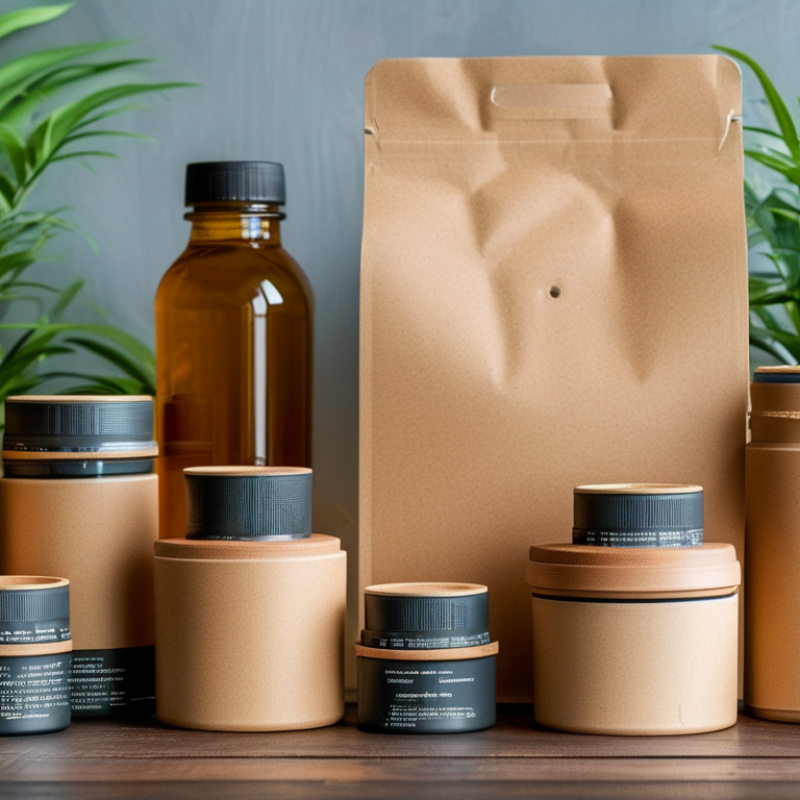
How to Choose the Best Package Bags for Your Business Needs?

Understanding Your Business Packaging Requirements

Understanding your business packaging requirements is critical. Different industries demand varied packaging solutions. For instance, the food sector often requires materials that ensure freshness and safety. According to a 2022 report from Packaging Strategies, about 70% of consumers consider packaging sustainability important. This trend highlights the need for businesses to select eco-friendly options.

Moreover, e-commerce growth impacts packaging choices. A recent study by CommerceHub stated that more than 50% of online shoppers expect their orders to arrive in excellent condition. This calls for durable packaging that protects products during transit. Companies must also consider package sizes. Oversized bags can lead to wasted materials and inflated shipping costs. In fact, an analysis from Logistics Management revealed that companies could save up to 30% in shipping expenses by optimizing package sizes.

Often, businesses overlook customization. Tailored packaging can enhance brand identity. It's essential to review your target market and adjust your packaging accordingly. However, relying solely on trends without understanding your specific needs can lead to poor decisions. Regular assessments of packaging effectiveness can lead to improvements in cost, sustainability, and consumer satisfaction.

How to Choose the Best Package Bags for Your Business Needs? - Understanding Your Business Packaging Requirements

Bag Type Material Size (inches) Capacity (lbs) Eco-Friendly Price ($)
Flat Bags Polyethylene 8 x 10 2 No 0.05
Gusseted Bags Polypropylene 12 x 15 5 Yes 0.10
Stand-Up Pouches Kraft Paper 5 x 8 3 Yes 0.15
Zipper Bags Nylon 6 x 9 4 No 0.20
Custom Printed Bags Plastic 10 x 12 6 Yes 0.30

Identifying Different Types of Package Bags Available

When selecting package bags for your business, it's essential to understand the variety available. Different types serve various purposes. For example, plastic bags are common due to their cost-effectiveness and durability. They come in many sizes and can be customized for your branding. However, relying solely on them can raise environmental concerns.

Paper bags offer a more eco-friendly alternative. They are biodegradable and recyclable, making them a better choice for sustainability-focused businesses. Customers often appreciate the quality feel of paper bags. Yet, they may not be as strong as their plastic counterparts. You might find that ideal packaging often involves trade-offs.

Additionally, reusable bags have gained popularity. They appeal to eco-conscious customers. However, ensuring they have a sturdy design is crucial. It is easy to overlook the need for adequate weight-bearing capacity. This requires careful consideration when choosing materials. Recognizing the diversity of package bags is vital. Making informed choices can enhance your brand's image and customer satisfaction.

Evaluating Material Options for Durability and Cost

Choosing the right material for package bags is crucial for your business. Durability and cost are key factors to consider. Different materials offer unique advantages and drawbacks. For instance, paper bags can be sturdy and eco-friendly, but they might not be water-resistant. Plastic bags are often cheaper and lighter but can lack durability over time.

When assessing materials, think about your product and customer expectations. If your items are fragile, opt for thicker plastics or reinforced paper. Consider the environmental impact too. Eco-conscious customers appreciate biodegradable options, even if they come at a higher price.

Tips: Look for suppliers offering samples. Testing materials helps you understand their strength. Don’t hesitate to ask questions about sourcing and production. Evaluate key factors: weight capacity, weather resistance, and pricing. Balance quality with your budget, ensuring you get the best value for your investment.

Considering Design and Branding Impact on Package Bags

When selecting package bags for your business, design and branding play a crucial role. A report from Focus Groups International shows that 64% of consumers make a purchase based on packaging design. This statistic highlights how important it is to align your brand identity with your packaging choices. A well-designed bag can communicate your brand’s values, making it memorable and appealing.

Consider the materials you use. Eco-friendly options are not only trendy, but they also resonate with 73% of consumers who prefer sustainable products, according to a Nielsen study. Brands that adopt green packaging can enhance their image and attract a loyal customer base. Experiment with colors and patterns that align with your brand's personality while ensuring they stand out on retail shelves.

Tip: Test different designs through surveys or focus groups. Feedback can help refine your choices.

Take time to reflect on your current packaging. Is it consistent with your branding? You may find that adjustments could improve customer perception. Look into trends like minimalism or handmade textures. These can create a unique appeal and differentiate your offerings in a crowded marketplace.

Impact of Design Elements on Package Bags

Assessing Environmental Sustainability of Packaging Choices

When choosing package bags for your business, consider their environmental impact. Many options are available, and sustainability is key. Avoiding materials with harmful additives can improve your brand’s integrity. Look for recyclable or biodegradable options that reduce waste.

Tips: Assess the lifecycle of the material. A bag made from recycled content can lower your carbon footprint. Remember, consumers value sustainability. They often prefer brands that show genuine care for the environment.

Using eco-friendly packaging may slightly increase costs. However, long-term savings can come from reduced waste disposal fees. It’s essential to be mindful of packaging design, too. Streamlined designs use less material and can enhance product visibility. Balancing affordability and sustainability is crucial; evaluate your choices carefully.

FAQS

: Why is understanding packaging requirements important for businesses?

: Different industries need unique packaging. Food safety and freshness are key in the food sector.

How does sustainability influence consumer choices?

About 70% of consumers prioritize sustainable packaging options. Eco-friendly choices matter to many buyers today.

What impact does e-commerce have on packaging?

Online shoppers expect products to arrive in excellent condition. Durable packaging is essential for protecting items during transit.

How can businesses optimize shipping costs?

Oversized packages waste materials and increase shipping costs. Companies could save up to 30% by optimizing package sizes.

Why is customization important in packaging?

Tailored packaging enhances brand identity and engages customers. However, businesses should avoid following trends blindly.

What should businesses consider regarding environmental sustainability?

Choosing recyclable or biodegradable materials improves brand integrity. It's vital to assess the environmental impact of packaging choices.

How can businesses balance costs and sustainability?

Eco-friendly packaging may increase costs slightly. Streamlined designs can save material and reduce long-term waste disposal fees.

What is the role of product visibility in packaging design?

Good design enhances product visibility. This can attract customers while still being mindful of material usage.

How can companies assess packaging effectiveness?

Regular evaluations can improve sustainability, cost-effectiveness, and customer satisfaction. Relying solely on trends can be misleading.

What are the consequences of poor packaging decisions?

Poorly researched packaging can lead to wasted resources. This may reduce consumer satisfaction and harm brand reputation.

Conclusion

When selecting the best package bags for your business, it is crucial to first understand your specific packaging requirements. This involves evaluating what you need in terms of size, strength, and functionality based on the products you offer. Next, identifying the various types of package bags available will help narrow down your options, from simple plastic bags to more sophisticated solutions.

Material choice is another significant factor, as it impacts both durability and cost-effectiveness. Additionally, consider how the design and branding of your package bags can enhance customer recognition and appeal. Finally, assessing the environmental sustainability of your packaging choices is increasingly important in today’s market, as consumers are more aware of ecological impacts. By carefully considering these aspects, you can make an informed decision that aligns with your business goals and values.


Ethan

Ethan

Ethan is a seasoned marketing professional with a deep expertise in our company's innovative product line. With a passion for sharing knowledge and insights, he takes the lead in regularly updating our corporate blog, where he explores industry trends, product features, and effective marketing......