How to Choose Pouch Bags For Packaging Your Products?

Time:2026-08-17 Author:Madeline
0%

When selecting Pouch Bags For Packaging, the choice can significantly impact brand perception. Experts emphasize this importance. Sarah Thompson, a packaging consultant, once stated, "The right pouch can elevate your product’s appeal." A pouch bag’s design, material, and functionality are essential.

The market offers various options. Choosing the right one requires careful consideration. Ensure that the pouch enhances the product’s visual appeal while being practical. Durability is key; a fragile pouch may deter consumers.

Many brands overlook the environmental impact of their choices. Eco-friendly options are becoming popular. However, some remain hesitant to invest. It’s important to find a balance between aesthetics and sustainability. Reflect on what your brand stands for. Your packaging should mirror those values.
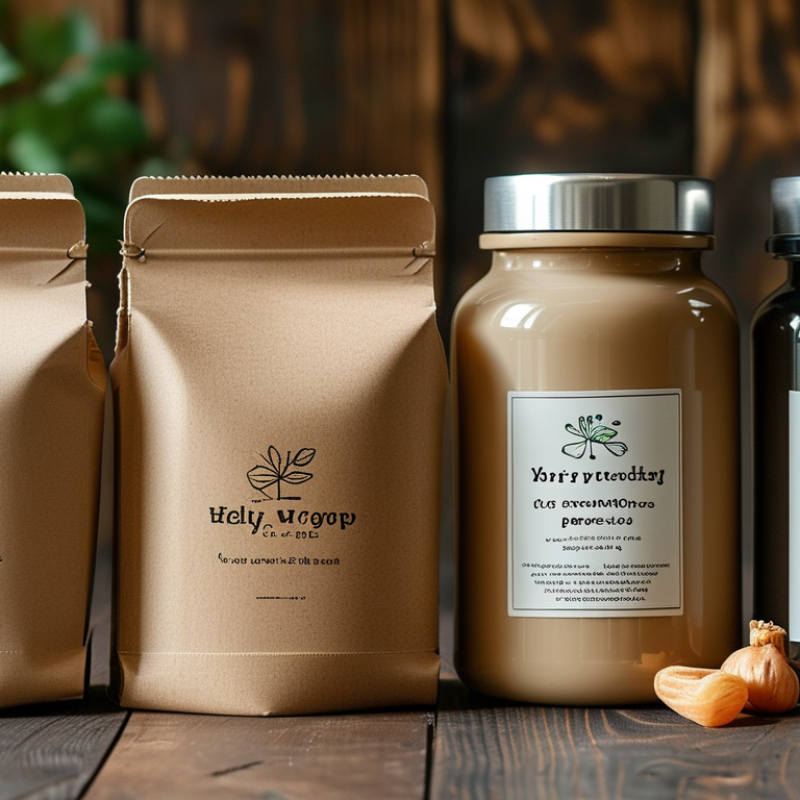
How to Choose Pouch Bags For Packaging Your Products?

Understanding the Different Types of Pouch Bags for Packaging

When selecting pouch bags for packaging, it’s essential to understand their types. Pouch bags come in various forms, each designed for specific products. Stand-up pouches are popular for snacks, featuring a bottom gusset that allows them to stand upright. Flat pouches work well for items like powders or liquids.

Tip: Consider the product's characteristics. If your product is sensitive to light or moisture, look for barrier pouches. They provide extra protection, ensuring product quality.

Transparent pouches enable visibility, making them a choice for items that benefit from display. Foil pouches offer excellent shelf life, great for dried products. Pouches also come in resealable options, helping to maintain freshness after opening.

Tip: Think about the user experience. Do you want a pouch that is easy to open and reseal? Research different closures available in the market. Each choice impacts customer satisfaction.

Balancing aesthetics and functionality is crucial. The material often determines the pouch's weight and durability. Some pouches might not hold up under pressure, leading to potential leaks or spills. Reflect on your packaging’s journey; every detail matters.

Key Factors to Consider When Choosing Pouch Bags for Products

When choosing pouch bags for your products, several key factors come into play. Materials are crucial. A report by Smithers Pira indicates that flexible packaging is projected to grow by 4% annually. Selecting the right material ensures durability and protection. For example, polyethylene offers moisture resistance, while aluminum foil is excellent for light and oxygen barrier properties. Understand your product's needs to select the most suitable material.

Design also plays a pivotal role. Consumers tend to gravitate toward eye-catching designs. According to a study by Packaging Digest, 52% of consumers focus on packaging when making a purchase decision. Consider colors, typography, and graphics that reflect your brand's identity. It’s vital to strike a balance between aesthetics and functionality.

Lastly, sustainability is emerging as a priority. A survey by EcoFocus found that 60% of consumers prefer eco-friendly packaging. Choosing recyclable or biodegradable materials can resonate with environmentally conscious customers. However, not all biodegradable options perform well in product protection. Always assess the trade-offs between sustainability and product integrity for your pouch bags.

Analyzing Material Options: Plastic vs. Paper Pouch Bags

When selecting pouch bags for packaging, material choice is crucial. Both plastic and paper options come with distinct advantages and trade-offs. Plastic pouches are often lightweight, flexible, and waterproof. They can extend the shelf life of products. However, they may raise environmental concerns due to non-biodegradability.

Paper pouch bags, on the other hand, offer an eco-friendly alternative. They are recyclable and biodegradable, appealing to environmentally conscious consumers. The texture of paper can also add a rustic charm to the packaging. Yet, they may not provide the same barrier properties as plastic, potentially leading to quicker spoilage of some items.

Tip: Consider conducting a material test. This could help assess durability and user preference.

Tip: Look into supplier certifications. This ensures that the materials you choose are safe and reliable.

Evaluate the intended use of your products. If waterproofing is not necessary, paper might be a better choice. But for long-lasting freshness, plastic could be more effective. Balancing function, cost, and environmental impact is key in making a thoughtful decision.

Evaluating Size and Shape for Optimal Product Presentation

When choosing pouch bags for packaging, evaluating size and shape is crucial. The right dimensions can enhance product visibility and appeal. For instance, a product shaped like a liquid may need a taller, slimmer pouch. This design maximizes shelf space and draws the eye. Conversely, a bulkier item might require a wider bag for a balanced presentation.

Consider the volume of your product. A small pouch might seem economical, but it often leaves consumers feeling uncertain about quantity. Likewise, oversized pouches can lead to waste. It's essential to test how your product fits within different shapes and sizes. This process can require several iterations. You might find that the perfect fit isn't what you initially thought.

Shape impacts not just aesthetics but functionality too. Zipper locks and resealable features are more effective in certain shapes. An elongated pouch is easier to seal than a broad one. Additionally, think about how the shape affects stacking and display on retail shelves. A poorly designed pouch might end up hidden, reducing visibility. Regularly revisiting your packaging strategy helps refine your approach. It’s a process of learning what works best.

Product Packaging Evaluation: Pouch Bag Sizes

This bar chart illustrates the ideal usage frequency of different pouch bag sizes for packaging products. The data indicates that medium-size pouches are the most commonly used, while extra large sizes are used the least.

The Role of Sustainability in Pouch Bag Selection for Packaging

Sustainability is becoming increasingly important in pouch bag selection for packaging. In a recent study, 74% of consumers reported they prefer sustainable packaging. Choosing eco-friendly materials can enhance your brand's image and appeal. Many manufacturers offer biodegradable or recyclable options.

Consider the material of your pouch bags. Options include compostable films and recycled plastics. An analysis from the Sustainable Packaging Coalition shows that 55% of consumers will pay more for sustainable packaging. This indicates a substantial market opportunity. Yet, sourcing these materials can be challenging. Not all suppliers provide clear sustainability certifications.

Tips: Always request certifications from your supplier. This guarantees that materials meet sustainability standards. Evaluate how your packaging choices affect the environment. It's essential to reflect on your brand's values during this selection. Pouch bags can be functional and environmentally friendly. Adopting a sustainable approach may require sacrifices or adjustments. However, the long-term benefits for the planet and your business can be significant.

FAQS

: What are the different types of pouch bags?

: Pouch bags include stand-up, flat, and barrier options. Each serves specific products.

Why choose barrier pouches?

Barrier pouches protect sensitive products from light and moisture, ensuring product quality.

How important is design in pouch bags?

Design matters. Eye-catching designs attract consumers and influence their purchase decisions.

Are resealable pouches worth considering?

Yes, resealable pouches maintain freshness after opening and improve user experience.

What materials should I consider for pouch bags?

Consider polyethylene for moisture resistance or aluminum foil for light protection.

What is the role of sustainability in pouch packaging?

Many consumers prefer eco-friendly packaging. Balance sustainability with product protection.

What are the advantages of plastic pouch bags?

Plastic pouches are lightweight, flexible, and waterproof. They extend product shelf life.

Why choose paper pouch bags?

Paper pouches are recyclable and biodegradable, appealing to environmentally aware consumers.

How can I ensure my packaging is reliable?

Conduct material tests and check supplier certifications to ensure safety and durability.

What should I reflect on regarding packaging choices?

Every detail matters. Consider the balance between functionality, aesthetics, and environmental impact.

Conclusion

Choosing the right pouch bags for packaging is crucial for effectively presenting and protecting your products. Understanding different types of pouch bags, such as plastic and paper options, allows businesses to align their packaging choices with product needs and brand identity.

Key factors to consider include the material, size, and shape, which all contribute to not only the aesthetic appeal but also functionality. Additionally, sustainability plays a significant role in the selection process, as more consumers prioritize eco-friendly packaging solutions. By carefully evaluating these elements, businesses can enhance their product presentation while also meeting market demand for sustainable practices in pouch bags for packaging.


Madeline

Madeline

Madeline is a dedicated marketing professional with a wealth of expertise in our company's core offerings. With a keen understanding of the industry, she brings a unique perspective to her role, consistently delivering high-quality content that highlights the superior aspects of our products. As......