China Best Food Pouch Packaging Manufacturer?

Time:2026-09-26 Author:Ethan
0%

Choosing the best Chinese Food Pouch Packaging manufacturer takes more than comparing unit prices. Buyers need to assess material structure, seal consistency, filling-line compatibility, print quality, and delivery records. A pouch may look excellent under showroom lights yet fail at a hot filling line. Small details matter.

Grand View Research’s Flexible Packaging Market Size, Share & Trends Analysis Report estimated the global flexible packaging market at USD 262.6 billion in 2023, with projected growth through 2030. This figure covers flexible packaging broadly, not pouches alone. It signals a substantial market, but it cannot verify any supplier’s capabilities. Ask for current specifications, relevant production records, and samples made for your product. Test them under realistic handling and storage conditions. Not just price.

Packaging author and specialist Walter Soroka describes packaging as “a coordinated system of preparing goods for transport, warehousing, logistics, sale, and end use.” That systems view is useful when evaluating Food Pouch Packaging: film, pouch design, filling equipment, and distribution must work together. A credible manufacturer should explain its material choices and quality checks clearly, rather than relying on vague claims. Compare suppliers using the same product brief and test criteria. No pouch is perfect. Trade-offs remain between barrier performance, recyclability, appearance, and cost. The strongest choice is the one whose documented performance fits your product and market—not simply the one with the lowest quotation.
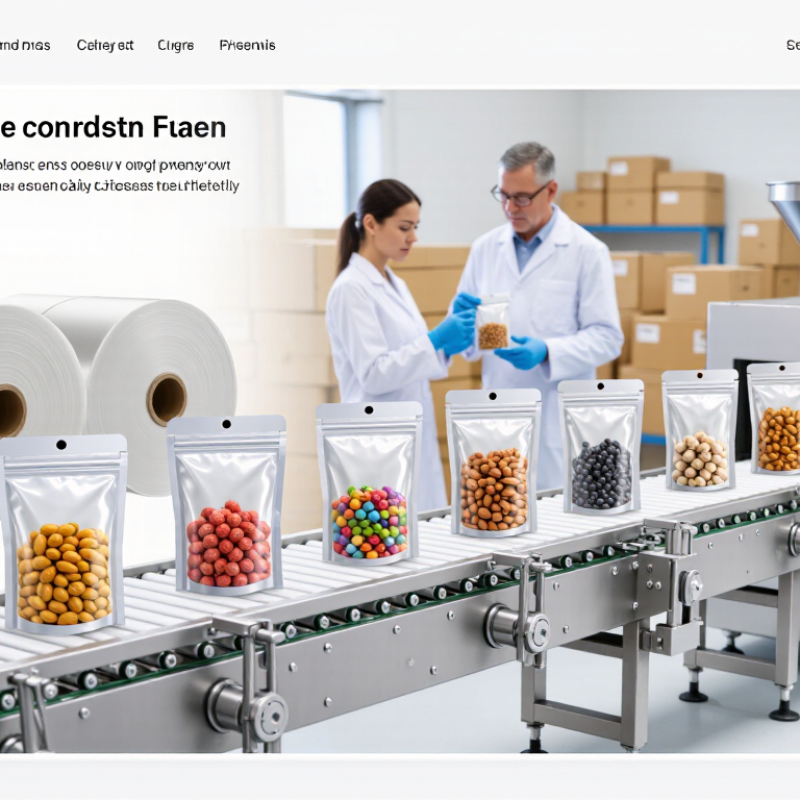
China Best Food Pouch Packaging Manufacturer?

What Is a Food Pouch Packaging Manufacturer?

A food pouch packaging manufacturer converts flexible materials into sealed packs designed to protect food during filling, transport, and storage. Its work may include selecting film structures, printing graphics, forming pouches, and checking seals. The definition sounds simple. The work is not.

Material choice depends on the food, filling temperature, expected shelf life, and handling conditions. A pouch for dry grains may need different barrier properties from one holding a moist sauce. Manufacturers typically test seal strength, leakage, and material performance, then adjust specifications when results fall short. A neat-looking pouch is not proof of a reliable seal.

The Flexible Packaging Association’s 2024 State of the Flexible Packaging Industry Report estimated U.S. flexible packaging sales at $42.9 billion in 2023, about 21% of the U.S. packaging market. The figure shows the sector’s scale, but it does not tell buyers whether a particular pouch suits their product. Ask for test results, material details, and clear quality procedures. Small print defects matter less than a weak seal, though both deserve attention. I would still ask how testing reflects real filling and storage conditions. Industry averages cannot answer that.

What Does a Food Pouch Packaging Manufacturer Make?

Example layer counts for common flexible pouch laminate structures

Layer counts are based on the listed example structures: PET/PE has two layers, while PET/AL/PE and PET/NY/PE each have three. Actual pouch designs vary according to the product and packaging requirements.

Key Types of Food Pouches and Their Applications

Key Types of Food Pouches and Their Applications

Food pouches serve different products, shelf lives, and handling needs. Stand-up pouches suit snacks, dried fruit, and powders; a flat bottom helps them stay upright on crowded shelves. Flat pouches use less material and work well for single portions, seasoning, or sample packs. For soups and sauces, spouted pouches make pouring easier and can reduce spills. Retort pouches are designed for heat processing, while vacuum pouches help limit air around products such as cheese or prepared meat. The right format depends on the food, filling process, and storage conditions—not appearance alone.

Industry context matters. The Flexible Packaging Association’s 2023 State of the U.S. Flexible Packaging Industry report put U.S. industry sales at $42.9 billion for 2022 and identified food as a major end-use market. That scale reflects broad use, but it does not mean every pouch suits every product. Barrier layers, seal strength, and filling temperature need testing with the actual food. Small differences can matter.

Tips: Match pouch structure to moisture, oxygen, light, and heat requirements. Check seals after filling, not just on an empty sample. A pouch may look suitable and still fail on a production line. That’s worth questioning.

China Best Food Pouch Packaging Manufacturer? - Key Types of Food Pouches and Their Applications

Pouch Type Typical Food Applications Common Material Structure Key Packaging Features Important Selection Considerations
Stand-Up Pouch Snacks, dried fruit, nuts, granola, powdered foods, and frozen foods Often PET/PE or PET/metallized PET/PE; structures vary by barrier needs Bottom gusset allows the pouch to stand on shelves; zipper options support repeated opening Match moisture, oxygen, light, and puncture protection to the product and shelf-life target
Flat Pouch / Three-Side-Seal Pouch Seasonings, sauces, samples, small snack portions, and single-serve ingredients Commonly PET/PE, PET/AL/PE, or other product-specific laminates Compact format with seals on three sides; can be produced in small portion sizes Check seal strength, filling method, product compatibility, and whether a tear notch is needed
Pillow Pouch Chips, biscuits, confectionery, dry pasta, and other high-volume dry foods Often flexible film such as BOPP/CPP or PET/PE, selected for the product and packing line Formed from a continuous web with a back seal and end seals; suited to automated packing Confirm film machinability, seal-window requirements, and protection against moisture or breakage
Retort Pouch Shelf-stable soups, ready meals, sauces, seafood, and cooked meat products Typically a heat-resistant multilayer structure, such as PET/AL/PA/CPP; exact layers depend on processing requirements Designed for validated thermal processing in a retort; lightweight alternative to some rigid packs The pouch, seals, and food process must be validated together by qualified packaging and food-process specialists
Spouted Pouch Juices, smoothies, purees, yogurt-style products, sauces, and liquid concentrates Multilayer flexible film with a compatible fitment; materials depend on filling and processing conditions Spout supports controlled pouring or sipping; closures may be resealable Consider spout size, fitment integrity, filling temperature, leakage testing, and consumer use
Vacuum Pouch Fresh or processed meat, cheese, seafood, and selected prepared foods Often PA/PE or other flexible barrier structures suited to the vacuum-packing process Air is removed before sealing, helping reduce package volume and limit exposure to oxygen Choose a structure with suitable puncture resistance and confirm storage conditions and food-safety controls
High-Barrier Sachet Instant coffee, powdered drink mixes, sauces, condiments, and single-serve oils May use PET/AL/PE, metallized film laminates, or other barrier films, depending on product sensitivity Small, portion-controlled format; barrier layers can help protect sensitive contents Balance barrier performance and pack size with opening convenience and the intended filling equipment
Quad-Seal / Box-Bottom Pouch Coffee, pet food, dry mixes, grains, and larger packs of snacks Commonly a multi-layer flexible laminate; barrier and strength requirements guide material selection Flat base and multiple sealed panels create a stable, box-like shelf presentation Assess pack weight, seal design, shelf stability, filling-line compatibility, and optional reseal features

Material structures listed are examples, not universal specifications. Final selection should be based on food-contact requirements, product characteristics, processing conditions, shelf-life goals, and applicable local regulations.

Materials and Manufacturing Processes for Food Pouches

China’s best food pouch packaging manufacturer should begin with the product, not appearance. Materials must match moisture, oxygen, light, temperature, and filling conditions. A dry snack may use PET for strength and PE for reliable heat sealing. Coffee or powdered foods may need aluminum foil or an EVOH barrier layer. Flexible paper structures can improve shelf appeal, but they may require additional barrier coatings.

Manufacturing usually starts with film extrusion or purchasing specialized barrier films. Printed layers are produced through flexographic or gravure printing. Adhesive or extrusion lamination then bonds several films into one structure. The laminated web is cured before slitting and pouch forming. Heat-sealing temperature, pressure, and dwell time require careful control. Small changes can create leaking corners.

Testing should include seal strength, burst resistance, and oxygen and water vapor transmission. Food-contact documentation and migration testing are also essential for each material structure. Good manufacturers inspect film thickness, color, registration, and seal performance during production. They should also provide traceable quality records.

Real production is less perfect than a sample pouch. A pouch that seals well in the laboratory may fail after filling with warm sauce. A glossy surface does not guarantee strong protection. Packaging teams should test real products, real temperatures, and realistic transport conditions. Sometimes a simpler structure performs better. That assumption deserves review.

How to Evaluate a Food Pouch Packaging Manufacturer

China Best Food Pouch Packaging Manufacturer?

How to Evaluate a Food Pouch Packaging Manufacturer

Choosing a food pouch packaging manufacturer starts with the product, not the sales brochure. Identify the food’s moisture, oil, acidity, and storage needs. A dry snack and a refrigerated sauce may require very different pouch structures. Ask what materials and thicknesses are proposed, and why. Clear technical reasoning matters. Request samples in the intended size, then check the zipper, seals, and opening feel. Fill a few pouches and handle them as customers would. Small details show up fast.

Ask for test data on seal strength, barrier performance, and print consistency. Confirm how production batches are checked and how defects are recorded. A reliable supplier should explain traceability and provide specifications you can review. Also discuss minimum order quantities, tooling costs, sample timelines, and what happens if a run is delayed. Get key details in writing. A low quote can hide setup fees or limits on customization. I still find it easy to focus too much on price; that is a useful mistake to catch early. Compare responses, not just numbers. If an answer is vague, ask for a concrete example or a sample report before committing.

Quality, Safety, and Sustainability Standards in China

Choosing a food pouch manufacturer in China means looking beyond a polished sample. Ask how each film layer is identified, stored, and traced to its supplier. A reliable facility should explain its food-safety system, cleaning routines, and inspection records in plain language. Request current certificates and check their scope, expiry dates, and issuing bodies. Paperwork matters. So does the production floor.

For a pouch holding sauce, oil, or powdered food, sealing performance is practical evidence of quality. Ask for seal-strength results, leak checks, and migration testing suited to the intended food and sales market. Test samples after filling and transport simulation, not only straight from the factory. A weak seal can ruin an otherwise excellent package. Still, one successful test cannot guarantee every production run; ongoing checks and clear defect procedures matter.

Sustainability needs the same scrutiny. Ask whether a pouch uses recyclable mono-materials, contains verified recycled content where appropriate, or reduces material without compromising protection. Request specific data rather than broad environmental claims. A lighter pouch may use less plastic, yet fail sooner if it loses barrier performance. Recycling access also varies by location. The trade-offs are real, and factories do not always explain them perfectly. A good supplier should welcome follow-up questions and admit where better evidence is needed.

FAQS

Which pouch type suits snacks and dried fruit?

Stand-up pouches work well for snacks, dried fruit, and powders. Their flat bottoms help them remain upright on crowded shelves.

When are flat pouches a practical choice?

Flat pouches suit single portions, seasoning, and sample packs. They usually use less material and need less storage space. Small differences matter.

Why use a spouted pouch for sauces?

A spout supports controlled pouring and may reduce spills. Test the closure after filling, transport, and repeated opening.

What makes retort and vacuum pouches different?

Retort pouches handle heat processing when properly designed. Vacuum pouches reduce air around foods such as cheese or prepared meat. The actual food still needs testing.

How should buyers choose a pouch structure?

Match the structure to moisture, oxygen, light, heat, filling temperature, and storage conditions. Appearance alone proves very little.

What quality records should a manufacturer provide?

Ask for film-layer identification, supplier traceability, cleaning routines, inspection records, and food-safety procedures. Request current certificates with clear scope and expiry dates. Paperwork is not enough.

How can pouch sealing performance be checked?

Request seal-strength results, leak checks, and suitable migration testing. Test filled samples after transport simulation, not only empty samples from the factory.

Are sustainable pouches always the better option?

Not always. Recyclable mono-materials, verified recycled content, and material reduction can help. However, weaker barriers may cause earlier failure, and recycling access varies by location. More evidence may be needed.

Conclusion

Choosing the right China-based Food Pouch Packaging manufacturer requires more than comparing prices. A qualified manufacturer should understand different pouch formats, including stand-up pouches, flat pouches, spouted pouches, retort pouches, and vacuum bags, and match each option with suitable food applications such as snacks, sauces, beverages, frozen foods, and ready-to-eat meals. The article explains how material combinations, printing methods, sealing technology, and barrier performance affect product protection, shelf life, and consumer convenience.

It also outlines practical ways to evaluate a manufacturer, including production capability, technical expertise, quality control systems, communication, customization support, and delivery reliability. Special attention is given to food-contact safety, hygiene management, traceability, testing procedures, and sustainability standards in China. By considering recyclable structures, responsible material selection, efficient production, and compliance with applicable requirements, buyers can identify a dependable partner that delivers safe, functional, attractive, and environmentally considerate food pouch solutions.


Ethan

Ethan

Ethan is a seasoned marketing professional with a deep expertise in our company's innovative product line. With a passion for sharing knowledge and insights, he takes the lead in regularly updating our corporate blog, where he explores industry trends, product features, and effective marketing......