China Best Pet Food Packaging Solutions for Global Buyers?

Time:2026-06-13 Author:Madeline
0%

As the pet food industry expands, so does the importance of effective Pet Food Packaging. In this competitive market, packaging can make or break a product's success. According to Dr. Ellen Hart, a leading expert in pet food innovation, "Packaging is the silent salesperson; it must convey freshness and attract attention." Her insights shed light on the crucial role packaging plays in enticing buyers.

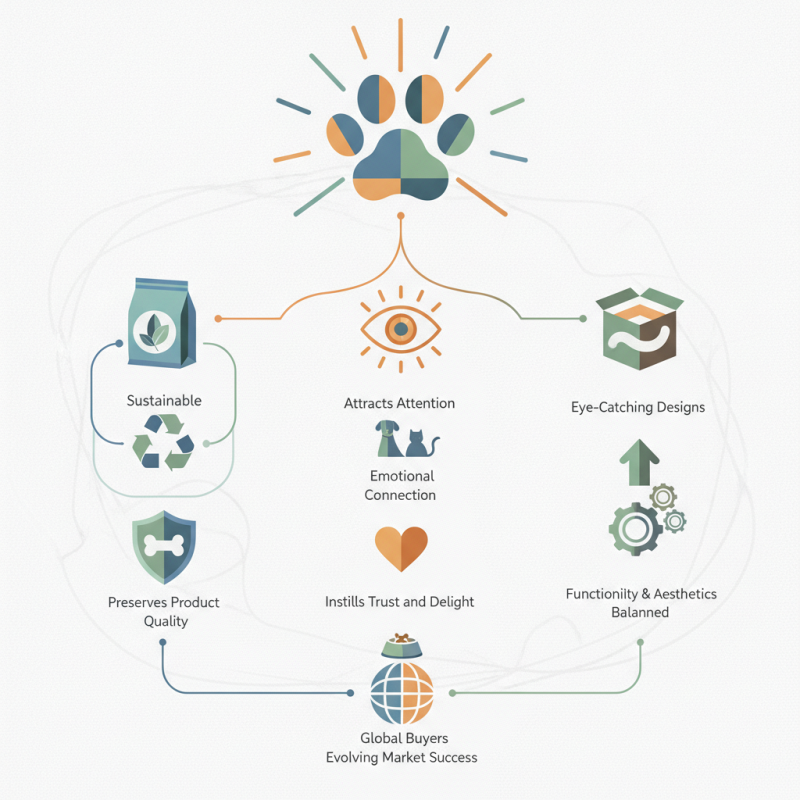
Global buyers are increasingly seeking solutions that not only preserve product quality but also reflect brand values. Sustainable materials and eye-catching designs are now more critical than ever. The challenge is to balance functionality with aesthetics. Pet Food Packaging needs to be both protective and appealing, often requiring ongoing refinement.

While many manufacturers focus on the practical aspects of packaging, they may overlook emotional connections. Packaging should resonate with pet owners, instilling trust and delight. Achieving this balance can be difficult. Even with advanced techniques, there is always room for improvement and innovation in Pet Food Packaging. Understanding consumer behavior and preferences is essential for success in this evolving market.
China Best Pet Food Packaging Solutions for Global Buyers?

China's Role in the Global Pet Food Packaging Industry

China plays a vital role in the global pet food packaging industry. According to a recent market report by Research and Markets, the global pet food packaging market is projected to reach USD 18.51 billion by 2025, with a CAGR of 4.6%. A significant portion of this growth is fueled by China's manufacturing capabilities. The country produces innovative and sustainable packaging solutions that appeal to diverse international buyers.

One notable trend is the shift towards eco-friendly materials. A survey by MarketsandMarkets found that 45% of global consumers prefer packaging made from recyclable materials. This has prompted Chinese manufacturers to focus on developing biodegradable options. Despite this positive movement, there’s still a need for improvement in waste reduction practices within factories. Many facilities must enhance their efficiency in the production and disposal of packaging waste.

Quality control is another crucial aspect. The China National Institute of Standardization reports that nearly 30% of packaging products fail to meet international safety standards. This inconsistency raises concerns about reliability. Buyers must carefully vet their suppliers to ensure compliance with regulations. Engaging with certified manufacturers can mitigate these risks and foster trust in quality assurance processes.

Innovative Materials Used in Pet Food Packaging Solutions

The pet food packaging industry in China is evolving rapidly. Innovative materials play a crucial role in enhancing product quality and sustainability. Many companies are exploring biodegradable and recyclable options. These materials reduce environmental impact while maintaining safety.

One popular choice is plant-based plastics. They are derived from renewable resources and help lower carbon footprints. However, the transition to these materials can be challenging. Sourcing consistent quality and managing costs often pose significant hurdles. Companies must stay informed about advances in material science to remain competitive.

Another emerging trend involves stand-up pouches. They provide excellent protection and extend shelf life. The use of high-barrier laminates ensures freshness. Yet, not all manufacturers have access to advanced technology for producing such packaging. Continuous improvement and adaptation are essential to meet global demands and standards.

Key Features to Look for in Pet Food Packaging

When selecting packaging for pet food, buyers should prioritize durability and safety. According to industry reports, pet food packaging must protect against moisture and contaminants. Statistics reveal that around 25% of pet food recalls in recent years were due to packaging failures. Buyers need to ensure that the materials can withstand various environmental factors.

Eco-friendly packaging solutions are increasingly important. Research shows that 70% of consumers prefer brands that offer sustainable packaging. Additionally, innovations like resealable bags and transparent materials enhance user convenience and product visibility. Ultimately, buyers should be aware of the balance between sustainability and the effectiveness of protecting the product.

While there is a push for high-quality packaging solutions, challenges still exist. Not all suppliers adhere to strict quality standards, resulting in inconsistencies. This raises concerns about the supply chain's reliability. Ensuring the chosen packaging aligns with safety certifications is crucial, despite the varying standards worldwide. Prioritizing these aspects helps in making informed decisions that benefit both businesses and pet owners alike.

Sustainability Trends in Pet Food Packaging Solutions

The pet food industry is evolving. A key focus is sustainability, especially in packaging solutions. As consumers prioritize eco-friendly options, manufacturers are adapting. Traditional plastic pouches are losing favor. Brands are experimenting with biodegradable materials and recyclable designs. This shift not only helps the environment but also appeals to conscious buyers.

Tips: Explore compostable packaging options. They break down naturally. Consider using minimalistic designs to reduce material waste. Clear labeling about recyclability can enhance consumer trust.

New technologies are emerging. Companies are harnessing plant-based films and post-consumer recycled materials. Some options still face challenges in durability. Balancing sustainability with product preservation is critical. It's a journey toward better practices, filled with learning opportunities.

Tips: Engage suppliers who prioritize sustainable materials. Invest in research to find the right balance between sustainability and product safety. Remember, it's a continuous improvement process.

Challenges in Sourcing Pet Food Packaging from China

Sourcing pet food packaging from China presents several challenges for global buyers. One significant issue is quality control. Many manufacturers do not adhere to international standards. This inconsistency can lead to subpar products that may not meet regulatory requirements in other countries.


Another challenge is communication. Language barriers often lead to misunderstandings during negotiations. Misinterpretations of specifications can affect the final product. Buyers may find it difficult to convey their needs effectively. Additionally, time zone differences can delay responses, complicating the sourcing process further.


Logistics also pose a hurdle. Shipping times can vary widely, making it hard to predict delivery schedules. Unexpected delays may arise from customs clearance or dock congestion. Buyers must remain flexible and prepared for these uncertainties to ensure smooth operations. Creating a reliable partnership with manufacturers can mitigate some of these issues, yet it requires patience and effort.

FAQS

: What materials are commonly used in pet food packaging?

: Many companies use biodegradable and recyclable materials to enhance product quality and reduce environmental impact.

Why is plant-based plastic gaining popularity?

Plant-based plastics are derived from renewable resources and help lower carbon footprints, but sourcing can be challenging.

What features should buyers consider when selecting pet food packaging?

Buyers should prioritize durability, moisture protection, and safety against contaminants for effective packaging solutions.

How does sustainability impact consumer preferences?

Research shows that 70% of consumers prefer brands with eco-friendly packaging options, influencing purchasing choices.

What are stand-up pouches, and why are they beneficial?

Stand-up pouches provide excellent protection and extend shelf life, but access to the technology for their production can vary.

What challenges do manufacturers face with sustainable packaging?

Manufacturers struggle with inconsistent quality and high costs, making the transition to sustainable materials difficult.

How can suppliers ensure packaging safety?

Ensuring adherence to strict quality standards and safety certifications is crucial despite varying global requirements.

What tips are there for enhancing packaging sustainability?

Explore compostable options, use minimal designs, and ensure clear recyclability labeling to build consumer trust.

Why is continuous improvement important in packaging practices?

The journey toward sustainability involves learning, and adaptation to new technologies remains critical for success.

What concerns arise from packaging failures?

Statistics show that around 25% of pet food recalls were due to packaging failures, raising safety and reliability issues.

Conclusion

The article explores China's significant influence in the global pet food packaging sector, highlighting its innovative materials and solutions that cater to international buyers. With the growing demand for effective pet food packaging, the piece emphasizes key features such as durability, moisture resistance, and ease of use that consumers should prioritize.

Additionally, it addresses the rising sustainability trends that are shaping the industry, with a focus on eco-friendly materials and practices. However, there are challenges associated with sourcing pet food packaging from China, including quality control and logistical issues. Overall, this article provides valuable insights into how China's offerings can meet the evolving needs of the global pet food packaging market.


Madeline

Madeline

Madeline is a dedicated marketing professional with a wealth of expertise in our company's core offerings. With a keen understanding of the industry, she brings a unique perspective to her role, consistently delivering high-quality content that highlights the superior aspects of our products. As......