What is the Best Food Packaging Bags for Your Business Needs?

Time:2026-05-27 Author:Amelia
0%

In the competitive landscape of food packaging, choosing the right Food Packaging Bags is crucial for business success. Industry expert Sarah Lewis, a packaging solutions consultant, emphasizes, "The right packaging can elevate a brand and protect its quality." This demonstrates the pivotal role these bags play in business operations.

Quality Food Packaging Bags not only preserve freshness but also enhance the visual appeal of products. Consider the features that matter: durability, eco-friendliness, and customization options. Many businesses overlook these aspects, leading to potential losses. For instance, using bags that tear easily can lead to spoilage and customer dissatisfaction.

Lastly, it’s essential to evaluate suppliers carefully. Not all manufacturers provide reliable products. A well-chosen supplier can make a significant difference in your brand’s credibility. Reflect on your current choices. Are they meeting the evolving demands of consumers? The right Food Packaging Bags can be a game changer for your business's reputation and bottom line.
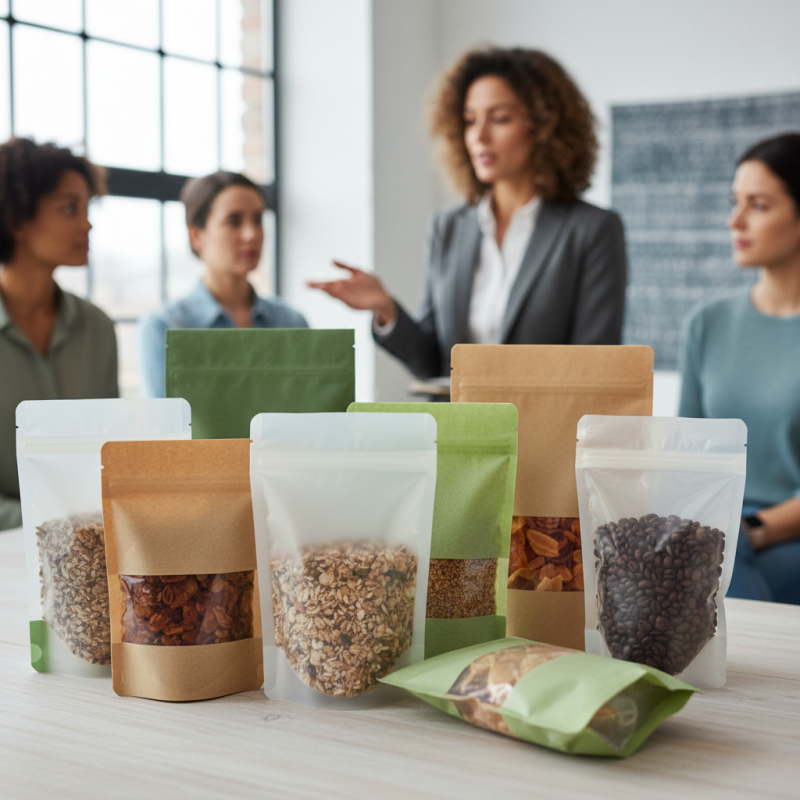
What is the Best Food Packaging Bags for Your Business Needs?

Understanding Different Types of Food Packaging Bags Available

When choosing food packaging bags, understanding the types available is crucial for success. A report by Smithers Pira highlights that flexible packaging is projected to grow by 4.3% annually, highlighting its popularity among food producers. This includes options such as stand-up pouches, flat pouches, and vacuum-sealed bags. Each type serves different purposes. Stand-up pouches are ideal for snacks or dry goods, offering visibility and shelf stability. On the other hand, vacuum-sealed bags are excellent for perishable items, extending shelf life by removing air.

Quality matters in food packaging. According to a study by the Institute of Packaging Professionals, 70% of consumers consider packaging before purchasing food. Materials like polyethylene and polypropylene are commonly used. They provide durability and protection against moisture. However, these materials can vary in sustainability. The industry faces challenges with plastic waste and recyclability. Companies must navigate these concerns while ensuring safety and compliance with food regulations. Balancing functionality with environmental impact remains a critical issue for many brands today.

Additionally, size and usability play key roles in customer satisfaction. A survey by Food & Beverage Packaging Insights reveals that 60% of consumers prefer packaging that is easy to open. Packaging design also influences perception. Poorly designed bags can lead to frustration and waste. Businesses must reflect on their packaging choices, ensuring they meet customer expectations while maintaining efficiency in production and distribution. The right food packaging bags can significantly impact a brand's success.

Food Packaging Bags Comparison

Factors to Consider When Choosing Food Packaging Bags

Choosing the right food packaging bags is essential for any food business. Start by considering the material. Options include plastic, paper, and biodegradable options. Each material offers unique benefits. Plastic bags are durable and moisture-resistant. Paper bags are eco-friendly but may not be suitable for wet items.

Next, think about the size and shape. Your products vary in size, and so should your packaging. Custom sizes can enhance the customer experience. Transparent bags allow customers to see the product, driving sales.

Lastly, consider the sealing method. Heat sealing offers a reliable option, ensuring freshness. Zippers add convenience for customers, allowing them to reseal bags. Keep in mind that these factors can impact storage and shelf life. It's crucial to refine your choices as your business evolves. Experimenting with different options can lead to better decisions for your customers and your brand.

Benefits of Using Eco-Friendly Food Packaging Solutions

In today's rapidly changing world, eco-friendly food packaging has become a necessity for businesses. Many companies are shifting towards sustainable materials. This transition helps reduce environmental impact. It also attracts conscious consumers who prefer green options. Eco-friendly packaging reduces plastic waste. It promotes a healthier planet, which benefits us all.

Using biodegradable materials is one way to embrace sustainability. These materials break down more easily than traditional plastics. This choice can enhance a brand's reputation. Customers care about their environmental footprint. By opting for greener solutions, businesses demonstrate their commitment to better practices.

Implementing these eco-friendly options is not always easy. Companies may face challenges in sourcing sustainable materials. Cost can also be a concern for some. However, the long-term benefits often outweigh the initial hurdles. Lowering one's carbon footprint leads to a more sustainable business model. This choice can open doors to new market opportunities and loyal customers.

Evaluating Durability and Safety in Food Packaging Materials

When selecting food packaging materials, durability and safety must be prioritized. Research shows that 38% of consumers consider packaging quality critical for food safety. This statistic highlights the need for businesses to invest in reliable materials that can protect food from contamination. Common choices include polyethylene and polypropylene, both known for their chemical resistance and durability.

Further insights indicate that materials should comply with food safety regulations set by authorities. In the U.S., the FDA mandates specific guidelines to ensure packaging doesn't leach harmful substances. Using unapproved materials can result in fines and reputational damage. Many producers ignore these regulations, risking consumer trust and safety.

Evaluating the environmental impact is also key. According to a 2021 survey, 62% of consumers prefer eco-friendly packaging. Companies are now exploring biodegradable or recyclable options but must ensure these materials maintain safety and durability. Balancing these aspects can lead to sustainable and safe solutions, yet it requires continuous assessment and adaptation.

What is the Best Food Packaging Bags for Your Business Needs? - Evaluating Durability and Safety in Food Packaging Materials

Material Type Durability Rating (1-10) Safety Certification Temperature Resistance (°C) Biodegradable
Polyethylene (PE) 7 FDA Compliant -40 to 80 No
Polypropylene (PP) 8 FDA Compliant -20 to 120 No
Kraft Paper 6 FSC Certified -10 to 70 Yes
Bioplastics 9 FDA Compliant -30 to 100 Yes
Aluminum Foil 10 FDA Compliant -40 to 250 No

Cost-Effectiveness of Various Food Packaging Options for Businesses

When choosing food packaging bags for your business, cost-effectiveness is vital. Different materials offer various benefits, influencing both quality and price. Assessing options helps find a balance between functionality and affordability. For example, biodegradable bags may cost more upfront but save money in waste disposal over time.

Tips for evaluating packaging options include considering your product. If your food items require extended shelf life, invest in vacuum-sealed bags. They maintain freshness and reduce spoilage. On the other hand, lightweight plastic bags could suffice for dry snacks, ensuring lower shipping costs.

Don’t overlook the importance of visual appeal. Well-designed packaging attracts customers and can justify a higher price. It's worth exploring custom printing options, even within budget constraints. Yet, ensure your designs reflect your brand's values. Choosing the wrong materials can lead to environmental concerns. Sustainability matters to consumers today.

FAQS

: What are the main types of food packaging bags?

: There are stand-up pouches, flat pouches, and vacuum-sealed bags. Each type serves different food needs.

Why is quality important in food packaging?

Quality packaging impacts purchasing decisions. About 70% of consumers consider packaging before buying food.

What materials are commonly used for food packaging?

Polyethylene and polypropylene are popular. They provide durability and protect against moisture.

How do environmentally friendly options benefit businesses?

Eco-friendly packaging reduces waste. It also attracts conscious consumers who want greener choices.

What challenges do companies face when using sustainable materials?

Sourcing sustainable materials can be tough. Costs may be higher initially, but long-term benefits can be significant.

How does packaging design impact customer experience?

Easy-to-open designs enhance satisfaction. Poor designs lead to frustration and potential waste, affecting brand perception.

Why should businesses consider the cost-effectiveness of packaging?

Assessing material costs is crucial. Some options save money over time, like biodegradable bags lowering disposal expenses.

What should companies reflect on regarding packaging choices?

Packaging must meet customer expectations while considering environmental impact. Finding balance is essential for brand success.

Conclusion

When selecting the best food packaging bags for your business needs, it's essential to understand the various types available, including plastic, paper, and biodegradable options. Each type serves different purposes and can impact the shelf life and presentation of your products. Factors to consider include the specific requirements of the food items being packaged, the target market, and environmental considerations.

Utilizing eco-friendly food packaging solutions not only aligns with consumer preferences for sustainability but also enhances brand reputation. Additionally, evaluating the durability and safety of food packaging materials is crucial to ensure they meet health standards. Finally, cost-effectiveness is a significant factor for businesses, as it influences purchasing decisions and overall profit margins. Considering these elements will guide you in choosing the right food packaging bags that fulfill both functional and aesthetic needs while supporting your business goals.


Amelia

Amelia

Amelia is a seasoned marketing professional with a wealth of expertise in our company’s core offerings. With an unwavering passion for driving growth and innovation, she plays a pivotal role in shaping our marketing strategies and enhancing brand visibility. A key aspect of her responsibilities......