10 Best Food Bags for Global Wholesale Buyers?

Time:2026-09-11 Author:Oliver
0%

Food Bags now sit at the intersection of food protection, logistics, branding, and sustainability. Global wholesale buyers need more than attractive printing or low unit prices. They must examine barrier performance, seal strength, storage conditions, and food-contact suitability. A bag that protects roasted coffee may fail with frozen vegetables or oily snacks. Small details matter, especially at container scale.

The Food and Agriculture Organization reports that 13.2% of food is lost between harvest and retail worldwide. Its findings show why effective packaging can support better handling and longer distribution windows. The United Nations Environment Programme also estimated 1.05 billion tonnes of food waste in 2022. Packaging cannot solve food waste alone, but the right format may reduce moisture damage, contamination risks, and transport losses. Sometimes, less packaging is not the better answer.

This guide reviews 10 Best Food Bags for Global Wholesale Buyers through practical purchasing criteria. These include material structure, product compatibility, closure design, minimum order quantities, customization, recyclability, and supplier documentation. Food-contact rules differ across markets, including requirements associated with the U.S. FDA and European Union Regulation (EC) No. 1935/2004. Buyers should verify current requirements with qualified compliance professionals. The Flexible Packaging Association and Smithers industry research both emphasize flexible packaging’s role in efficient material use, although market estimates vary by methodology. That uncertainty deserves attention. No universal ranking fits every product, climate, or distribution route. A strong Food Bags choice balances protection, cost, evidence, and real warehouse conditions.
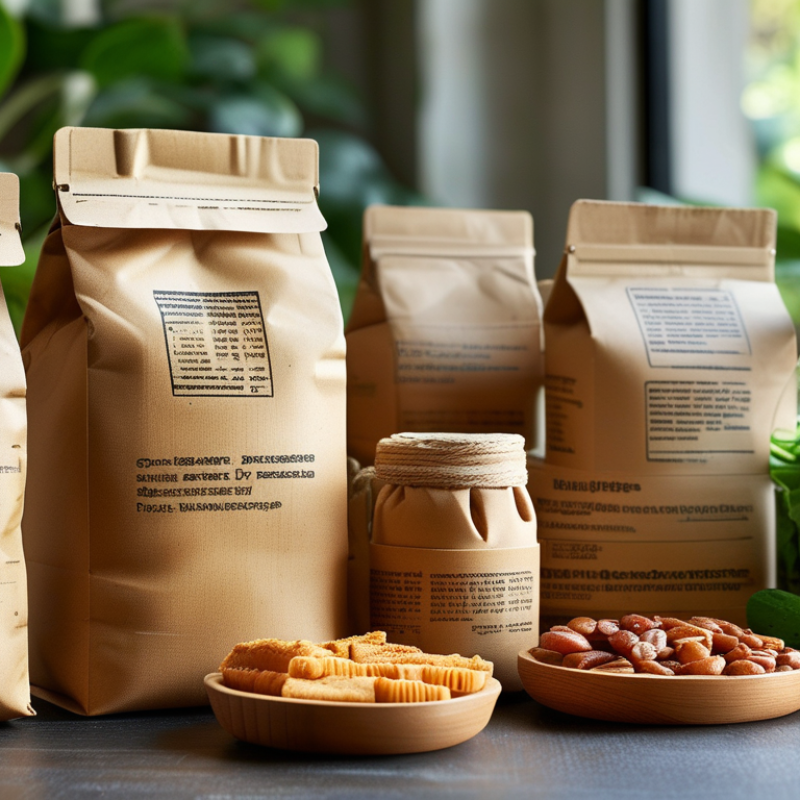
10 Best Food Bags for Global Wholesale Buyers?

What Makes a Food Bag Suitable for Global Wholesale Buyers

What Makes a Food Bag Suitable for Global Wholesale Buyers?

A suitable food bag must protect products across long, unpredictable supply chains. Strong seals, puncture resistance, and stable dimensions reduce leakage during loading and ocean transport. Barrier layers should match the product. Coffee needs oxygen protection, while frozen foods need flexibility below zero.

The FAO reports that 13.2% of food is lost between harvest and retail. Better packaging can reduce part of that loss, although bags cannot solve weak storage systems alone.

Wholesale buyers also need documented food-contact compliance for each destination market. Clear material specifications, migration testing, batch records, and traceable production build purchasing confidence.

The OECD reported that packaging represented about 40% of global plastic demand in 2019. Therefore, recyclability, reduced material use, and practical disposal instructions deserve serious attention. A thinner bag is not automatically better. It may tear, waste food, and create more complaints.

Tips:

Request samples from the actual production batch. Test filled bags with drop, compression, seal-strength, and cold-storage trials. Check carton dimensions before ordering; wasted container space increases landed cost. Ask for moisture and oxygen transmission data, not vague “high barrier” claims. A small printing mistake can delay customs clearance. We have seen buyers focus on unit price and overlook pallet stability. That choice often becomes expensive later. Suppliers should also disclose lead times, minimum order quantities, and contingency plans, because global shipping rarely behaves perfectly.

Main Food Bag Materials and Their Best Commercial Uses

10 Best Food Bags for Global Wholesale Buyers?

Main Food Bag Materials and Their Best Commercial Uses

Material choice shapes shelf life, freight cost, and buyer acceptance. FAO estimates that 13.2% of food is lost after harvest and before retail (FAO, 2022). Packaging cannot prevent every loss, but the correct bag can reduce moisture, punctures, and contamination risks.

Woven polypropylene sacks suit rice, flour, maize, and animal feed. They are strong, stackable, and economical for container shipments. Laminated polypropylene adds print protection and better moisture resistance. Polyethylene liner bags work inside woven sacks or cartons. Paper sacks fit flour and dry powders, especially where a natural appearance matters. Paper-polypropylene valve sacks improve filling speed and reduce dust. Jute bags suit coffee, cocoa, and agricultural commodities, but their fibers need careful inspection. Cotton bags serve premium grains and gift-style food packaging, though they cost more. They are not ideal for humid routes.

For retail formats, PET/PE stand-up pouches support nuts, dried fruit, and snacks. Vacuum pouches protect meat, cheese, and other oxygen-sensitive foods when sealing is properly tested. Flexible bulk bags, commonly called FIBCs, handle hundreds of kilograms of grains or ingredients. UNEP reported 1.05 billion tonnes of food waste in 2022 (UNEP, 2024), showing why handling performance matters. In procurement audits, weak seams often cause more loss than thin film. That assumption deserves testing. Buyers should compare oxygen transmission, water-vapor transmission, drop resistance, food-contact compliance, and actual loading conditions before choosing the lowest price.

Ten Leading Food Bag Types for Different Products and Markets

Global wholesale buyers need bags matched to products and destinations, not merely the lowest prices. Food safety, shelf life, filling speed, and transport conditions all matter. FAO’s 2023 report estimates that 13.2% of food is lost between harvest and retail. Suitable packaging can reduce exposure to moisture, oxygen, light, and handling damage.

Ten leading food bag types serve different markets.

  • Woven polypropylene sacks suit rice, grains, and animal feed.
  • Kraft paper bags fit flour and dry ingredients.
  • PE-lined paper bags add moisture resistance.
  • Vacuum pouches protect meat and seafood from oxygen.
  • Retort pouches support heat-processed meals.
  • Frozen-food bags need strong seals and low-temperature flexibility.
  • Stand-up zipper pouches work well for snacks and dried fruit.
  • Gusseted bags provide extra volume for coffee and powders.
  • Small sachets serve spices, sauces, and single-use portions.
  • Compostable bags may suit selected dry goods, but local certification remains essential.

No bag wins every market.

UNEP’s Food Waste Index Report 2024 estimates 1.05 billion tonnes of food waste worldwide in 2022. Packaging choices therefore deserve measurable testing. Buyers should request oxygen transmission, water vapor transmission, seal strength, migration, and pallet-compression data. ISO 22000-based food safety controls can strengthen supplier evaluation. A sample may survive a drop test yet fail after humid ocean transport. That detail is easy to miss. Smithers’ flexible-packaging market analysis also highlights rising demand for lighter structures and recyclable designs. However, thinner material can reduce puncture resistance. Cost savings may become product loss. Procurement teams should test real filling lines, storage periods, and climate routes before placing large orders.

Food Safety, Packaging Compliance, and Sustainability Standards

10 Best Food Bags for Global Wholesale Buyers

For global wholesale buyers, the best food bags protect products without creating compliance problems. A suitable bag should match the food type, filling temperature, shelf life, and transport route. Dry grains may need strong woven structures, while frozen foods require flexible films that resist cracking. Fresh products often need controlled airflow, not complete sealing.

Food-contact safety deserves close inspection. Request a food-contact declaration, migration test results, material specifications, and production traceability. Check whether inks, adhesives, coatings, and recycled content are approved for the intended food. The bag should also tolerate sealing equipment and warehouse handling. A broken seal is a small detail with expensive consequences. Regional rules can differ, so one certificate may not satisfy every destination.

Sustainability needs evidence, not attractive language. Compare material weight, recycled content, recyclability, and expected product waste. A thinner bag may reduce plastic use, but it can fail during loading. That creates more waste, not less. Compostable packaging may require specific industrial facilities, which many regions lack. This is easy to overlook. Buyers should ask for test reports, disposal guidance, and clear environmental claims. Packaging audits should also examine worker hygiene, pest control, batch records, and storage conditions. Supplier questionnaires help, but an occasional factory audit is more reliable. Mistakes still happen, especially when specifications change quickly. That is why approval samples and documented corrective actions remain essential.

How to Compare Suppliers, Customization Options, and Bulk Pricing

Global wholesale buyers need more than attractive food bags. They need stable quality, clear documentation, and predictable delivery. Compare suppliers through samples, factory audits, and recent production records. A sample can look excellent. It may not represent every shipment. Ask for material specifications, seal strength results, odor checks, and food-contact declarations. Request the same details for replacement materials. This small step prevents expensive surprises.

Customization affects both performance and cost. Confirm bag dimensions, film thickness, closure style, printing colors, barrier requirements, and carton packing. Ask whether the supplier can control color consistency between batches. Provide artwork in editable formats and approve a physical proof before production. Flexible minimum order quantities may help testing, but smaller runs often raise unit costs. Be realistic about lead times. Custom work can add several weeks. I have seen buyers focus on printed appearance and overlook fill weight or stacking pressure. That mistake is easy to make.

Bulk pricing deserves a line-by-line comparison. Separate bag price, printing plates, tooling, freight, inspection, and taxes. Compare the delivered cost, not only the factory quotation. Request tiered pricing for several volumes, with payment terms and validity dates. Reliable suppliers explain price changes instead of hiding them. Check their response speed and willingness to document corrections. That reveals operational discipline. Still, no checklist is perfect. Seasonal demand, material costs, and port delays can change the final number. Build a modest contingency into your budget, then review it before ordering.

FAQS

: Which food bag suits rice, grains, and animal feed?

: Woven polypropylene sacks offer strength for heavy dry products. They handle stacking and regular warehouse movement. They are not ideal for every moisture-sensitive product.

When should buyers choose kraft paper bags?

Kraft paper bags suit flour and other dry ingredients. A PE lining adds moisture resistance. Check seal quality before shipment.

Which bags protect meat and seafood?

Vacuum pouches reduce oxygen around meat and seafood. Retort pouches suit heat-processed meals. Both require validated sealing and processing conditions.

What packaging works for frozen foods?

Frozen-food bags need flexible material and strong seals. They should resist cracking at low temperatures. Test them after freezing.

Are stand-up zipper pouches suitable for snacks?

Yes, they suit snacks, dried fruit, and similar products. The zipper supports repeated opening. The pouch still needs suitable moisture and oxygen barriers.

What should buyers test before placing a bulk order?

Request oxygen transmission, water vapor transmission, and seal-strength data. Also request migration, drop-test, and pallet-compression results. Test samples on the actual filling line.

How can buyers compare suppliers fairly?

Compare samples, factory audits, and recent production records. Ask for material specifications and food-contact declarations. A beautiful sample may not represent every shipment.

What details affect customization and pricing?

Confirm dimensions, thickness, closure style, colors, and barrier requirements. Include printing plates, tooling, freight, inspection, and taxes. Delivered cost matters more than the factory quote.

Can compostable bags serve every food market?

No. They may suit selected dry goods. Local certification and disposal systems remain essential. The greener-looking option may fail in real storage.

How should buyers handle transport and delivery risks?

Test the packaging against its real climate route and storage period. Humid ocean transport can expose hidden weaknesses. Build a modest budget contingency. No checklist catches everything.

Conclusion

Choosing the right Food Bags is essential for global wholesale buyers seeking reliable protection, efficient transportation, and strong market appeal. This guide explains the key qualities of a suitable food bag, including durability, barrier performance, moisture resistance, sealability, storage stability, and compatibility with different food categories. It also introduces major materials such as paper, plastic, woven fabric, and flexible multilayer films, highlighting their most suitable commercial applications.

The article reviews ten food bag types designed for products ranging from dry goods and grains to snacks, frozen items, fresh produce, and specialty foods. It also outlines important food safety, packaging compliance, recycling, and sustainability considerations that buyers should evaluate before placing large orders. Finally, readers will learn how to compare suppliers by examining production capacity, quality control, customization options, minimum order quantities, lead times, printing services, and bulk pricing. These factors help wholesalers select practical, cost-effective, and market-ready packaging solutions for international distribution.


Oliver

Oliver

Oliver is a seasoned marketing professional with a wealth of expertise in driving brand awareness and engagement. With a deep understanding of our company's product offerings, he consistently delivers high-quality content that enriches our professional blog. His insights not only shed light on......