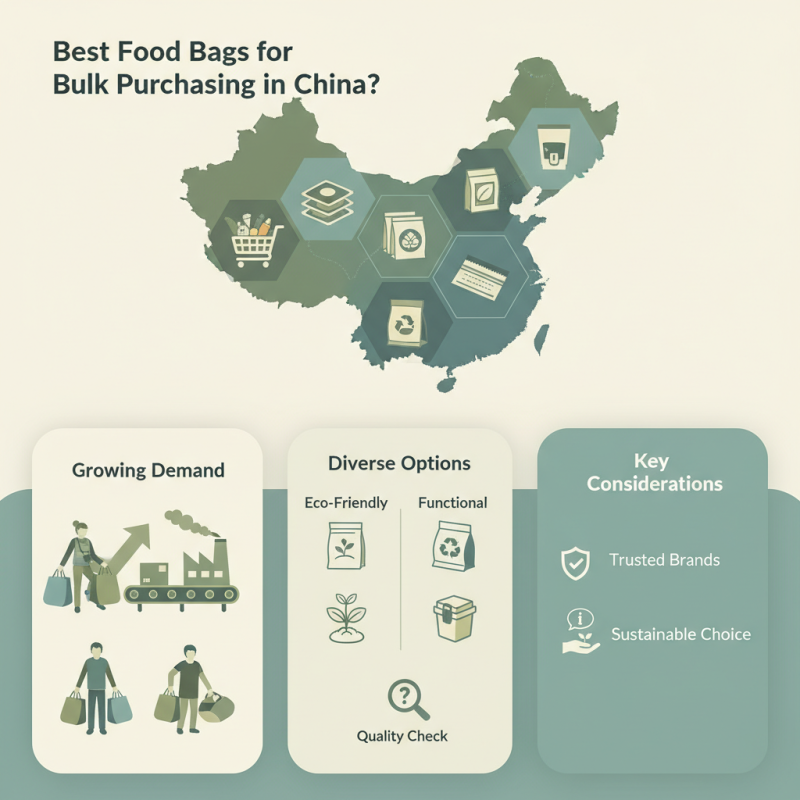
In China, the demand for bulk purchasing of Food Bags has surged. Consumers and businesses alike seek reliable packaging solutions that promote sustainability and efficiency. As Huang Wei, an expert in food packaging, noted, “Choosing the right Food Bags is essential for quality preservation and environmental responsibility.” This emphasizes the growing importance of selecting suitable products.
The diverse market for Food Bags in China offers various options, from biodegradable materials to resealable designs. Each type serves a distinct purpose, catering to the needs of both consumers and businesses. For instance, compostable Food Bags are gaining popularity among environmentally conscious shoppers. However, quality inconsistencies can lead to dissatisfaction.
Despite the array of choices, some drawbacks exist. Not every Food Bag on the market meets high standards. It’s critical for buyers to research and choose trusted brands. Improvement is always possible in providing clearer information about bag material and usability. Thoughtful selection can greatly enhance the buying experience while supporting eco-friendly practices.
Types of Food Bags Suitable for Bulk Purchasing in China
When considering bulk purchasing, selecting the right type of food bags is crucial. Various kinds of bags serve different purposes, and understanding these can enhance storage and distribution.
Plastic bags are popular due to their lightweight nature. They are waterproof and resistant to spills. However, these bags may not be environmentally friendly. Many producers are switching to biodegradable options. These materials decompose more easily but can sometimes be less durable.
For dry goods, woven polypropylene bags are reliable. They provide durability and protection from pests. These bags often come in various sizes, making them versatile. On the downside, they can be pricier than plastic bags. Additionally, less breathable materials may lead to condensation and spoilage.
Lastly, vacuum-sealed bags are excellent for preserving freshness. They significantly reduce air exposure, thereby extending shelf life. However, they require a vacuum sealing machine, which may not be feasible for all businesses. Finding the right balance between cost and functionality is essential for effective bulk purchasing decisions.
Materials Commonly Used in Food Bags: A Comparative Overview
When considering food bags for bulk purchasing, the choice of materials plays a crucial role. Various materials have unique characteristics that affect durability and safety. Common options are plastic, paper, and biodegradable materials. Each type has its benefits and drawbacks. Plastic bags are waterproof and flexible, but they may not be eco-friendly. Paper bags are biodegradable but less durable when wet.
Tips: Choose materials that suit your specific needs. For dry bulk items, plastic may suffice. For grains or vegetables, consider paper or biodegradable bags. Always check local regulations regarding material usage.
Toxic materials can endanger health. Not all plastic is food-safe. Look for certifications that ensure the bags are suitable for food. Switching to biodegradable options can mitigate environmental impacts. However, they may not always provide the same level of moisture barrier as plastic.
Consider storage conditions before finalizing your choice. Poor storage can lead to spoilage, regardless of bag quality. Invest in quality bags that align with your purchasing practices. Assess your local climate's humidity when selecting materials. This decision could directly impact your food's shelf life.
Key Features to Consider When Selecting Food Bags
When selecting food bags for bulk purchasing in China, consider several key features. Material is crucial. Look for bags made from durable, food-safe plastics. These materials prevent contamination and preserve freshness. A breathable option can help with moisture control. Think about the thickness as well; thinner bags may tear easily, while thicker options provide better protection.
Size matters too. Choosing the right size reduces waste and maximizes storage efficiency. Small bags work for spices, while larger ones are ideal for grains. Additionally, sealing mechanisms can greatly impact usability. Zipper seals are convenient for frequent access, while heat-sealed bags offer a longer shelf life.
Remember usability. If the bags are hard to open, they may end up unused. Easy access encourages better food storage practices. A good bag should balance functionality and user-friendliness. Assessing these features is vital. A lack of consideration can lead to wasted food or spoilage, undermining bulk purchasing benefits. Prioritize bags that meet these criteria for successful food storage solutions.
Best Food Bags for Bulk Purchasing in China
Top Brands for Bulk Food Bags Available in China
When purchasing food in bulk, selecting the right bags is crucial for maintaining quality. In China, the market for bulk food bags is growing, driven by increased demand from both retailers and consumers. Industry reports show that the bulk food packaging sector is expected to grow at a rate of 5.3% annually. This demand highlights the importance of reliable packaging solutions that can preserve freshness.
Top brands in this field offer a range of materials, such as polyethylene and biodegradable options. These materials vary widely in durability and usability. Reports indicate that about 30% of packaged food waste is attributed to inadequate packaging. Therefore, choosing a robust bag can help reduce food spoilage and waste.
Despite the advancements, some challenges remain. Many bulk food bags lack appropriate labeling, leading to confusion among consumers. This can affect purchasing decisions significantly. Additionally, environmental concerns surrounding plastic bags need careful consideration. Understanding these nuances is essential when evaluating options. Choosing the right bulk food bags can optimize storage and enhance the overall food experience.
Environmental Impact of Food Bags and Sustainable Options
The environmental impact of food bags is significant and complex. In China, single-use plastic bags contribute to about 1.2 million tons of plastic waste annually. This waste often ends up in landfills, causing long-term damage to ecosystems. Studies show that plastic can take more than 400 years to decompose, resulting in soil and water contamination.
Sustainable options are growing in popularity. Reusable bags made from organic materials or biodegradable plastics present better alternatives. According to a report by the China National Institute of Standardization, switching to compostable materials could reduce landfill waste by 60%. However, many consumers still opt for convenience over sustainability, leading to a dilemma. Some regions lack the infrastructure for proper disposal or recycling of eco-friendly bags, creating further challenges.
The transition to eco-friendly food bags requires education and policy support. Consumers need to understand the importance of making sustainable choices. As awareness increases, so do innovations in biodegradable materials. The real test lies in integrating these options into daily life. A multi-faceted approach may be required to make a meaningful impact.
Best Food Bags for Bulk Purchasing in China? - Environmental Impact of Food Bags and Sustainable Options
| Bag Type |
Material |
Environmental Impact |
Sustainable Alternatives |
| Plastic Bags |
Polyethylene |
High pollution; non-biodegradable. |
Biodegradable Bags |
| Paper Bags |
Recycled Paper |
Lower pollution; recyclable. |
Reusable Fabric Bags |
| Cotton Bags |
Cotton |
Environment-friendly with low impact if reused. |
Organic Cotton Bags |
| Jute Bags |
Jute Fiber |
Biodegradable; low carbon footprint. |
Recycled Jute Bags |
| PLA Bags |
Polylactic Acid |
Compostable; made from renewable resources. |
Biodegradable Alternatives |
FAQS
: The best types include plastic, woven polypropylene, and vacuum-sealed bags. Each serves different purposes effectively.
Plastic bags are lightweight and waterproof, making them ideal for storage. However, they are not eco-friendly.
Biodegradable bags decompose easily but may lack durability compared to plastic options. They can also offer less moisture protection.
Woven polypropylene bags are durable choices for dry goods like grains. They protect against pests but can be pricier.
Vacuum-sealed bags extend shelf life by reducing air exposure. They keep food fresh longer but require special equipment.
Ensure bags are certified food-safe. Not all plastics are suitable, so check for quality and safety standards.
Paper bags are biodegradable but less effective when wet. Assess your needs before choosing paper for food storage.
Single-use plastics contribute to significant waste. They take over 400 years to decompose, harming the environment.
Consumers can choose reusable or compostable bags. Education on their benefits is crucial for a sustainable future.
Convenience often trumps sustainability. Many areas lack recycling infrastructures, making it challenging to adopt eco-friendly bags.
Conclusion
When considering bulk purchasing in China, selecting the right food bags is essential for ensuring product integrity and convenience. Various types of food bags are suitable for bulk storage, ranging from biodegradable options to durable vacuum-seal bags. Understanding the materials commonly used—such as polyethylene, polypropylene, and paper—provides insight into their performance, longevity, and suitability for different food products.
When choosing food bags, key features such as sealability, moisture resistance, and ease of handling should be prioritized. Additionally, with increasing awareness of environmental issues, it's important to consider the ecological impact of food bags and explore sustainable options that minimize waste. By focusing on these elements, purchasers can make informed decisions that align with their needs and values while supporting a more sustainable approach to food storage in bulk.

 ESD-PAC VINA