Best Coffee Packaging Bags for Global Buyers in 2026?

Time:2026-09-01 Author:Henry
0%

Coffee packaging is critical for preserving flavor and ensuring freshness. In the ever-evolving market, selecting the right Coffee Packaging Bags will be essential in 2026. Innovative designs and materials are emerging, clearly reflecting the industry's need for sustainable practices.

Buyers must focus on quality and functionality. Many coffee brands are seeking eco-friendly packaging solutions that align with consumer values. The choice of materials can significantly impact product lifespan and flavor retention. Not all options are equally effective; some might compromise the coffee experience.

As we approach 2026, it is vital to analyze trends in Coffee Packaging Bags. Understanding the market can lead to better purchasing decisions. Yet, buyers should learn from past mistakes. Relying solely on cheap options may backfire. It's a learning curve that emphasizes the balance between cost and quality. This journey of exploration will shape the future of coffee packaging.
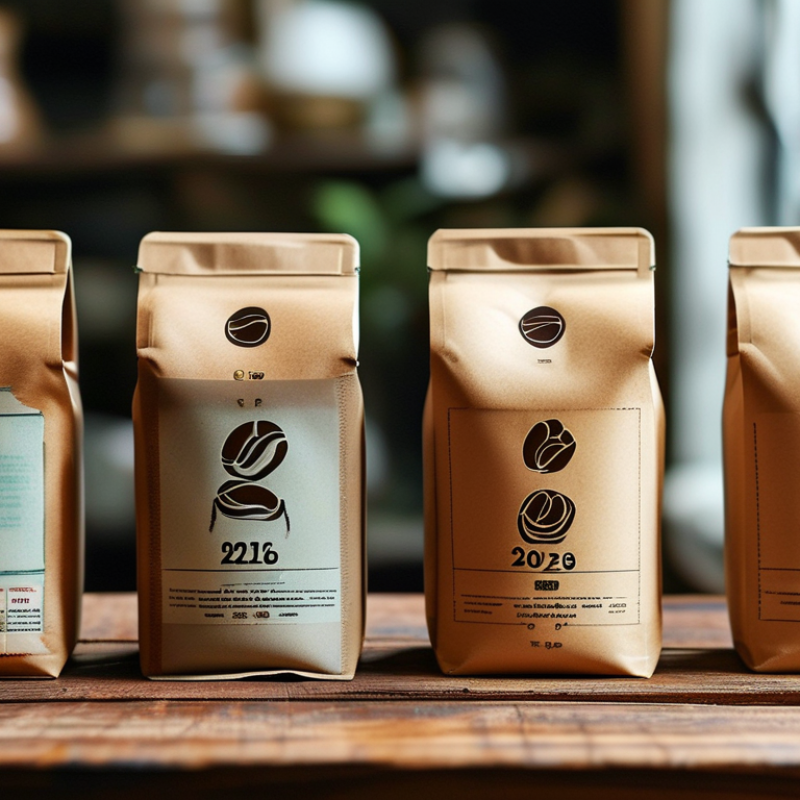
Best Coffee Packaging Bags for Global Buyers in 2026?

Current Trends in Coffee Packaging in 2026

In 2026, coffee packaging continues to evolve, reflecting notable trends and consumer preferences. Research by the Specialty Coffee Association indicates that eco-friendly materials are gaining traction. About 70% of global coffee buyers now prioritize sustainable packaging solutions. This shift is driven by heightened consumer awareness surrounding environmental impact.

Additionally, innovative designs are making waves. Many brands are investing in resealable bags and zip-lock features. These designs enhance freshness, a crucial factor for coffee lovers. According to the National Coffee Association, 80% of consumers consider freshness essential when selecting coffee products. This focus on functionality complements the aesthetic appeal of modern coffee packaging.

However, the industry faces challenges. Balancing sustainability with cost-effectiveness is a persistent issue for many producers. While many consumers desire greener options, they also seek affordable products. Reports suggest that only 40% of companies can successfully marry these two demands without compromising quality. As businesses navigate this complex landscape, the need for transparent communication about sourcing and materials remains critical.

Key Features to Look for in Coffee Packaging Bags

When considering coffee packaging bags, several key features are essential for global buyers in 2026. First, durability is paramount. High-quality materials can protect coffee from moisture and light, preserving its flavor. Bags that offer barrier properties are crucial, preventing oxygen exposure. This ensures that the coffee remains fresh for a longer period. Another vital aspect is the closure mechanism. Zip locks or valves can enhance usability for consumers. They allow easy access while maintaining freshness.

Design is also significant. Eye-catching graphics can attract potential buyers, setting a brand apart from competitors. However, functionality should not be sacrificed for aesthetics. A bad design may lead to user frustration. Moreover, sustainability is gaining importance. Eco-friendly materials resonate with today’s consumers. Buyers are increasingly looking for bags that reflect responsible sourcing.

It is important to reflect on consumer needs. Packaging must not only be visually appealing but also practical. Some designs may inadvertently create waste or hinder the brewing process. Regular feedback from consumers can guide improvements. Keeping these details in mind can enhance both user experience and product integrity.

Sustainable Materials for Coffee Packaging

As the coffee market evolves, sustainable packaging is becoming essential. Buyers are increasingly prioritizing eco-friendly materials. Using biodegradable and compostable options can significantly reduce environmental footprints. For instance, materials made from cornstarch or recycled paper can keep coffee fresh while being kind to the planet.

However, not all sustainable options perform equally well. Some materials may struggle with moisture and gas barriers. This can affect the freshness of the coffee. It challenges manufacturers to find the right balance between sustainability and functionality. Exploring innovative solutions, like plant-based laminates, is crucial. The industry must continually test and refine these materials to ensure they meet high standards.

Transparency in sourcing is another critical factor. Buyers favor brands that disclose their supply chain practices. This fosters trust and encourages responsible consumption. While sustainable packaging often costs more upfront, its long-term benefits can outweigh the initial expenses. Continuous improvement in sustainable practices can help companies maintain a competitive edge in a rapidly changing market.

Best Coffee Packaging Bags for Global Buyers in 2026? - Sustainable Materials for Coffee Packaging

Material Type Sustainability Rating Barrier Properties Recyclability Production Cost (per kg)
Kraft Paper High Medium Yes $2.50
Biodegradable Plastics Very High High Partial $3.00
Recycled PET Medium Very High Yes $2.80
Compostable Films High Medium Yes $3.20
Sugar Cane Bags High Medium Yes $3.50

Top Manufacturers of Coffee Packaging Bags for Global Buyers

As the coffee market continues to grow, the demand for effective packaging solutions becomes crucial. The global coffee packaging bags market was valued at approximately USD 2.1 billion in 2021, with expectations to reach USD 3.2 billion by 2026. This robust growth emphasizes the need for reliable manufacturers who understand the nuances of coffee packaging.

Leading manufacturers focus on materials that enhance shelf life. For instance, multi-layered structures, often incorporating aluminum foil, significantly contribute to the preservation of flavor and aroma. In a recent industry report, about 70% of companies surveyed indicated a growing preference for recyclable and biodegradable materials. This trend reflects a shift towards sustainability amidst increasing environmental concerns.

Challenges do exist within this sector. Many manufacturers struggle to maintain a balance between functionality and cost. In some cases, cost-cutting measures lead to subpar quality, which can compromise product integrity. Additionally, the rapid advancement in technology can leave some manufacturers behind, creating a gap in innovation. Addressing these issues is vital for the long-term success of coffee packaging. Understanding market demands while fostering innovation will be essential as we move towards 2026.

Market Insights: Consumer Preferences in Coffee Packaging

As coffee consumption grows globally, packaging plays a crucial role in attracting buyers. Consumers today care about more than just the coffee inside the bag. They seek fresh, eco-friendly solutions that reflect their values. Many prefer biodegradable materials that minimize harm to the environment. The choice of color and design also matters. A vibrant, appealing design stands out on shelves.

Sustainability is not just a trend; it’s becoming a necessity. More people are willing to pay extra for packaging that reduces waste. Transparency in labeling is vital. Buyers want to know about the sourcing and production methods. They value brands that communicate their commitment to ethical practices. However, the challenge lies in balancing aesthetics with functionality.

Even with advancements, some packaging still struggles with freshness preservation. Bags that do not seal properly can diminish the quality of the coffee. This inconsistency can frustrate consumers who expect premium experiences. There’s potential for improvement, encouraging brands to innovate and reflect consumer preferences accurately. Striving for quality and sustainability can reshape the market landscape for coffee packaging.

FAQS

: What is essential for coffee packaging in today's market?

: Sustainable packaging is essential as buyers prioritize eco-friendly materials.

How can sustainable materials benefit the environment?

Biodegradable and compostable options can significantly reduce environmental footprints.

Do all sustainable materials perform equally well in packaging?

No, some struggle with moisture and gas barriers, affecting coffee freshness.

What innovative solutions are being explored in coffee packaging?

Plant-based laminates are being tested to find a balance between sustainability and functionality.

Why is transparency in sourcing important for buyers?

It fosters trust and encourages responsible consumption among customers.

Is sustainable packaging more expensive than traditional options?

Yes, it often costs more upfront, but long-term benefits can outweigh initial expenses.

What challenges do manufacturers face in coffee packaging?

Balancing functionality and cost is difficult, often leading to subpar quality.

How is technology impacting coffee packaging manufacturers?

Rapid advancements can leave some manufacturers behind, creating a gap in innovation.

What percentage of companies prefer recyclable and biodegradable materials?

About 70% of companies surveyed indicate a growing preference for these materials.

What should manufacturers focus on for long-term success?

They must understand market demands while fostering continuous innovation.

Conclusion

In 2026, the landscape of coffee packaging is rapidly evolving, driven by current trends that prioritize sustainability and consumer preferences. Coffee packaging bags are now being produced with eco-friendly materials, reflecting a growing demand for environmentally responsible options. Key features buyers should consider include resealable designs, barrier protection, and aesthetic appeal, which not only enhance the freshness of the coffee but also attract consumers visually.

Furthermore, market insights reveal that consumers are more inclined to choose brands that prioritize sustainable practices in their packaging. As a result, top manufacturers are focusing on innovative solutions that meet these demands, consolidating their position in the global market. The future of coffee packaging bags lies in balancing functionality with sustainability, ensuring that they meet the needs of an increasingly discerning consumer base.


Henry

Henry

Henry is a dedicated marketing professional with a profound expertise in the company's offerings. With years of experience in the industry, he possesses an impressive understanding of the market dynamics and consumer behaviors that drive success. Henry is committed to sharing his insights through......